
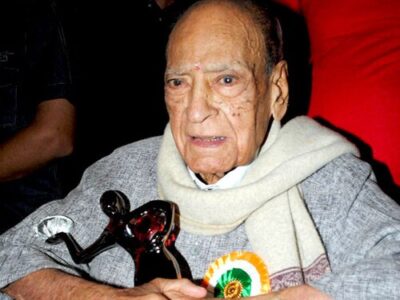
A. K. Hangal
A. K. Hangal was an Indian actor. Born August 15, 1915, in Sialkot. Died August 26, 2012, in Mumbai. Awards include Padma Bhushan.
Facts
12 facts · 1 confirmed by two sources · 0 cited · 9 from one source · 2 where the sources disagree
What’s different
- Born: we show August 15, 1915 (Sources disagree). Wikipedia says February 1, 1914
- Born in: we show Sialkot (Sources disagree). Wikidata also lists Punjab
Where this comes from
Papalocal keeps its own record. It started from these sources; what each one said is kept here as it was copied, so a change on their side never changes this page by itself. Tap one to read its version.
What Wikidata says · copied November 18, 2026 · revision 2529904494
- Described as
- Indian actor (1915–2012)
- Other names
- Avtar Kishan Hangal
- Born
- August 15, 1915
- Died
- August 26, 2012 · 1 reference
- Born in
- Sialkot; Punjab
- Died in
- Mumbai
- Citizen of
- India (1950–); British Raj (–1947); Dominion of India (1947–1950)
- Occupation
- film actor; television actor; politician
- Political party
- Communist Party of India
- Awards
- Padma Bhushan
- Wikipedias with a page
- 22
Wikidata item Q3595806 (wikidata.org/wiki/Q3595806), public domain (CC0). Copied November 18, 2026.
What Wikipedia says · copied November 18, 2026 · revision 1380663053
Avtar Kishan Hangal (1 February 1914 – 26 August 2012) was an Indian freedom fighter and actor. His most notable roles are as Ram Shastri in Aaina (1977), as Inder Sen in Shaukeen, as Bipinlal Pandey in Namak Haraam, as Imaam Saa'b in Sholay, as Anokhelal in Manzil and the antagonist in Prem Bandhan and the 16 films he did with Rajesh Khanna. He has acted in around 225 Hindi films in a career spanning from 1966 to 2005.
- Born, in its opening lines
- February 1, 1914
- Died, in its opening lines
- August 26, 2012
From the Wikipedia article “A. K. Hangal” (en.wikipedia.org/wiki/A._K._Hangal), by its contributors, under CC BY-SA 4.0 (creativecommons.org/licenses/by-sa/4.0/). Copied November 18, 2026; not changed.
Confirmed Two sources agree. Cited One source, and it names where it got it. One source One source, without a reference of its own. Sources disagree The sources disagree. We show the best-supported value and keep theirs below.
