
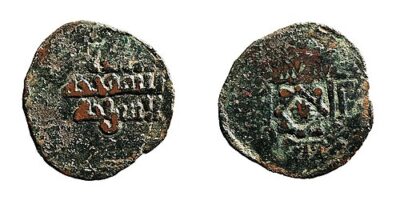
Abdullah ibn Muhammad al-Umawi
Abdullah ibn Muhammad al-Umawi was an Emir of Córdoba from 888 to 912. Born January 11, 844, in Córdoba. Died October 15, 912, in Córdoba. Positions held include emir of Cordoba (888–912).
Facts
14 facts · 2 confirmed by two sources · 2 cited · 10 from one source
Where this comes from
Papalocal keeps its own record. It started from these sources; what each one said is kept here as it was copied, so a change on their side never changes this page by itself. Tap one to read its version.
What Wikidata says · copied November 16, 2026 · revision 2568502130
- Described as
- Emir of Córdoba from 888 to 912
- Other names
- Abdallah ibn Mohammed, Abdullah ibn Muhammad, Abdallah ibn Muhammad, ‘Abdu’llah ibn Muhammad, ‘Abdullah ibn Muhammad, ‘Abdullah ibn Muhammad al-Umawi, Abdullah Ibn Mohammad, 'Abdullah ibn Muhammad, 'Abdullah ibn Muhammad al-Umawi, 'Abdu'llah ibn Muhammad
- Born
- January 11, 844 · 1 reference
- Died
- October 15, 912 · 1 reference
- Born in
- Córdoba · 1 reference
- Died in
- Córdoba
- Citizen of
- al-Andalus
- Occupation
- politician; king · 1 reference
- Positions held
- emir of Cordoba (888–912)
- Spouse
- Onneca o Íñiga Princesa de Pamplona
- Children
- Muhammad ibn Abdullah; Al-Mutraf
- Father
- Muhammad I of Córdoba
- Siblings
- Al-Mundhir of Córdoba
- Religion
- Islam
- Wikipedias with a page
- 35
Wikidata item Q307680 (wikidata.org/wiki/Q307680), public domain (CC0). Copied November 16, 2026.
What Wikipedia says · copied November 16, 2026 · revision 1339685336
Abd Allah ibn Muhammad ibn Abd al-Rahman (Arabic: عبد الله بن محمد بن عبد الرحمن; 844 – 912) was the seventh emir of Córdoba, reigning from 888 to 912 in Al-Andalus (Islamic Iberia).
- Born, in its opening lines
- 844
- Died, in its opening lines
- 912
From the Wikipedia article “Abdullah of Córdoba” (en.wikipedia.org/wiki/Abdullah_of_Córdoba), by its contributors, under CC BY-SA 4.0 (creativecommons.org/licenses/by-sa/4.0/). Copied November 16, 2026; not changed.
Confirmed Two sources agree. Cited One source, and it names where it got it. One source One source, without a reference of its own. Sources disagree The sources disagree. We show the best-supported value and keep theirs below.
