
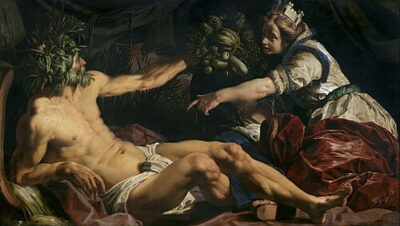
Abraham Janssens I was a Flemish painter. Born 1575, in Antwerp. Died January 25, 1632, in Antwerp.
Facts
10 facts · 2 confirmed by two sources · 4 cited · 4 from one source
Where this comes from
Papalocal keeps its own record. It started from these sources; what each one said is kept here as it was copied, so a change on their side never changes this page by itself. Tap one to read its version.
What Wikidata says · copied November 18, 2026 · revision 2567440843
- Described as
- Flemish painter
- Other names
- Abraham I Janssens Van Nuyssen, Abraham I Janssens, Abraham, I Janssens van Nuyssen, Abraham, I Janssens, Abraham Janssen, Abraham Janssen van Nuyssen, Abraham I Janssens van Nuyssen, Abraham Jansens, Ab. Janssens, Abraham Jensens, Abraham Jansène, Abrah. Janssens
- Born
- 1575 · 3 references
- Died
- January 25, 1632 · 2 references
- Born in
- Antwerp · 1 reference
- Died in
- Antwerp · 1 reference
- Citizen of
- Habsburg Netherlands
- Occupation
- painter · 3 references; designer · 1 reference
- Genre
- history painting
- Children
- Anna Maria Janssens; Abraham Janssens (II)
- Wikipedias with a page
- 21
Wikidata item Q330139 (wikidata.org/wiki/Q330139), public domain (CC0). Copied November 18, 2026.
What Wikipedia says · copied November 18, 2026 · revision 1381416301
Abraham Janssens I, Abraham Janssen I or Abraham Janssens van Nuyssen (1575–1632) was a Flemish painter, who is known principally for his large religious and mythological works, which show the influence of Caravaggio. He was the leading history painter in Flanders prior to the return of Rubens from Italy.
- Born, in its opening lines
- 1575
- Died, in its opening lines
- 1632
From the Wikipedia article “Abraham Janssens” (en.wikipedia.org/wiki/Abraham_Janssens), by its contributors, under CC BY-SA 4.0 (creativecommons.org/licenses/by-sa/4.0/). Copied November 18, 2026; not changed.
Confirmed Two sources agree. Cited One source, and it names where it got it. One source One source, without a reference of its own. Sources disagree The sources disagree. We show the best-supported value and keep theirs below.
