
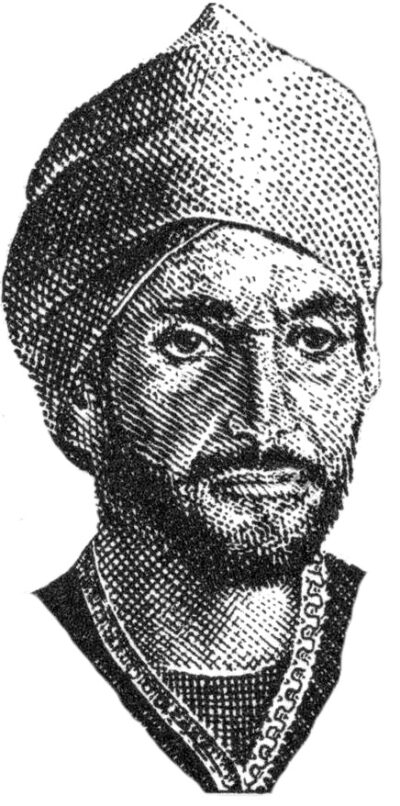
Abu Tammam
Abu Tammam was a Muslim Arab poet of Abbasid era (died 850). Born 807, in Jasim. Died August 29, 846, in Mosul. Known for Al-ūḥšīāt, Kitab al-Hamasah and Alwḥshyāt wa-huwa al-Ḥamāsah al-ṣughrá.
Facts
13 facts · 1 confirmed by two sources · 5 cited · 6 from one source · 1 where the sources disagree
What’s different
- Born: we show 807 (Confirmed). Wikidata also lists 804 and 805
- Died: we show August 29, 846 (Sources disagree). Wikipedia says 845
Where this comes from
Papalocal keeps its own record. It started from these sources; what each one said is kept here as it was copied, so a change on their side never changes this page by itself. Tap one to read its version.
What Wikidata says · copied November 16, 2026 · revision 2557593690
- Described as
- Muslim Arab poet of Abbasid era (died 850)
- Born
- 804; 807 · 2 references; 805 · 1 reference
- Died
- August 29, 846 · 1 reference
- Born in
- Jasim · 3 references
- Died in
- Mosul · 3 references
- Name at birth
- حبيب بن أوس بن حارث الطائي
- Occupation
- poet · 3 references; literary scholar · 1 reference
- Known for
- Al-ūḥšīāt; Kitab al-Hamasah; Alwḥshyāt wa-huwa al-Ḥamāsah al-ṣughrá
- Field
- poetry
- Religion
- Islam; Shia Islam · 1 reference
- Wikipedias with a page
- 40
Wikidata item Q1750054 (wikidata.org/wiki/Q1750054), public domain (CC0). Copied November 16, 2026.
What Wikipedia says · copied November 16, 2026 · revision 1382843413
Ḥabīb ibn Aws al-Ṭā’ī (حبيب بن أوس الطائي; ca. 796/807 - 845), better known by his sobriquet Abū Tammām (أبو تمام), was an Arab Muslim poet. He is well known for compiling the Hamasah, which is considered to be one of the greatest anthologies of Arabic literature ever assembled. The Hamasah contained 10 books of poems, with 884 poems in total.
- Born, in its opening lines
- 807
- Died, in its opening lines
- 845
From the Wikipedia article “Abu Tammam” (en.wikipedia.org/wiki/Abu_Tammam), by its contributors, under CC BY-SA 4.0 (creativecommons.org/licenses/by-sa/4.0/). Copied November 16, 2026; not changed.
Confirmed Two sources agree. Cited One source, and it names where it got it. One source One source, without a reference of its own. Sources disagree The sources disagree. We show the best-supported value and keep theirs below.
