
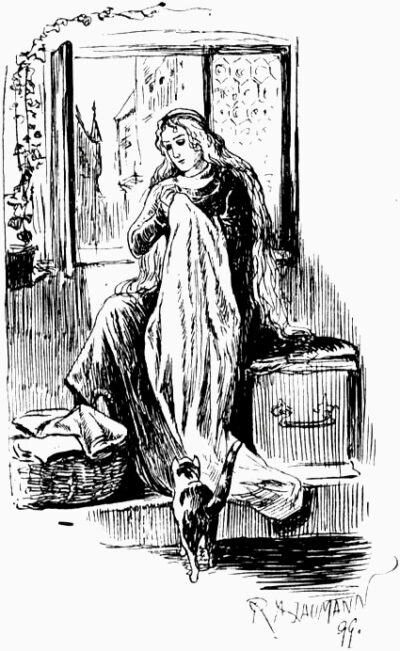
Agnes Bernauer was a Medieval German woman accused of witchcraft. Born 1410, in Augsburg. Died October 12, 1435, in Straubing.
Facts
8 facts · 2 confirmed by two sources · 1 cited · 5 from one source
What’s different
- Died: we show October 12, 1435 (Confirmed). Wikidata also lists October 21, 1435
Where this comes from
Papalocal keeps its own record. It started from these sources; what each one said is kept here as it was copied, so a change on their side never changes this page by itself. Tap one to read its version.
What Wikidata says · copied November 18, 2026 · revision 2568900995
- Described as
- Medieval German woman accused of witchcraft
- Born
- 1410
- Died
- October 21, 1435; October 12, 1435
- Born in
- Augsburg
- Died in
- Straubing
- Cause of death
- drowning
- Citizen of
- Germany
- Spouse
- Albert III, Duke of Bavaria
- Father
- Kaspar Bernauer · 1 reference
- Wikipedias with a page
- 21
Wikidata item Q76443 (wikidata.org/wiki/Q76443), public domain (CC0). Copied November 18, 2026.
What Wikipedia says · copied November 18, 2026 · revision 1386057593
Agnes Bernauer (c. 1410 – 12 October 1435) was the mistress and perhaps also the first wife of Albert, later Albert III, Duke of Bavaria. Because his father, Ernest, ruling Duke of Bavaria at the time, considered this liaison with a commoner unbefitting his son's social standing, he clashed with his son over the matter and finally arranged to have Agnes condemned for witchcraft and drowned in the Danube in 1435. Her life and death have been depicted in numerous literary works, the most well known being Friedrich Hebbel's tragedy of the same name and the folk musical Die Bernauerin by the composer Carl Orff.
- Born, in its opening lines
- c. 1410
- Died, in its opening lines
- October 12, 1435
From the Wikipedia article “Agnes Bernauer” (en.wikipedia.org/wiki/Agnes_Bernauer), by its contributors, under CC BY-SA 4.0 (creativecommons.org/licenses/by-sa/4.0/). Copied November 18, 2026; not changed.
Confirmed Two sources agree. Cited One source, and it names where it got it. One source One source, without a reference of its own. Sources disagree The sources disagree. We show the best-supported value and keep theirs below.
