
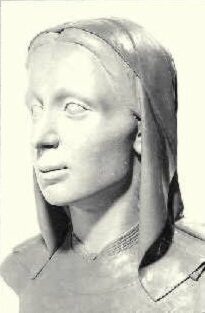
Agnes of Antioch
Agnes of Antioch was a Queen consort of Hungary. Born 1154, in Principality of Antioch. Died 1184, in Székesfehérvár.
Facts
21 facts · 0 confirmed by two sources · 7 cited · 14 from one source
Where this comes from
Papalocal keeps its own record. It started from these sources; what each one said is kept here as it was copied, so a change on their side never changes this page by itself. Tap one to read its version.
What Wikidata says · copied November 16, 2026 · revision 2569058843
- Described as
- Queen consort of Hungary (1154–1184)
- Other names
- Anna Châtillon, Anna of Antioch
- Born
- 1154
- Died
- 1184
- Born in
- Principality of Antioch
- Died in
- Székesfehérvár
- Buried in
- Székesfehérvár Basilica
- Citizen of
- Hungary
- Occupation
- queen consort
- Spouse
- Béla III of Hungary (1168–) · 2 references
- Children
- Emeric, King of Hungary · 1 reference; Margaret of Hungary · 3 references; Andrew II of Hungary · 1 reference; Constance of Hungary · 1 reference
- Father
- Raynald of Châtillon · 1 reference
- Mother
- Constance of Antioch · 1 reference
- Siblings
- Bohemond III of Antioch; Philippa of Antioch; Maria of Antioch; Jeanne of Antioch; Alice of Chatillon; Baldwin of Antioch; Raimond of Antioch
- Wikipedias with a page
- 29
Wikidata item Q86846 (wikidata.org/wiki/Q86846), public domain (CC0). Copied November 16, 2026.
What Wikipedia says · copied November 16, 2026 · revision 1367050492
Anna of Antioch (c. 1154 – c. 1184), also known as Agnes of Antioch and Anna de Châtillon, was Queen of Hungary from 1172 until 1184 as the first wife of Béla III.
The accidental discovery of her intact tomb during the Hungarian Revolution of 1848 provided an opportunity for patriotic demonstrations. She was the only 12th-century Hungarian queen whose remains were studied by scientists, and her appearance was reconstructed.
From the Wikipedia article “Agnes of Antioch” (en.wikipedia.org/wiki/Agnes_of_Antioch), by its contributors, under CC BY-SA 4.0 (creativecommons.org/licenses/by-sa/4.0/). Copied November 16, 2026; not changed.
Confirmed Two sources agree. Cited One source, and it names where it got it. One source One source, without a reference of its own. Sources disagree The sources disagree. We show the best-supported value and keep theirs below.
