
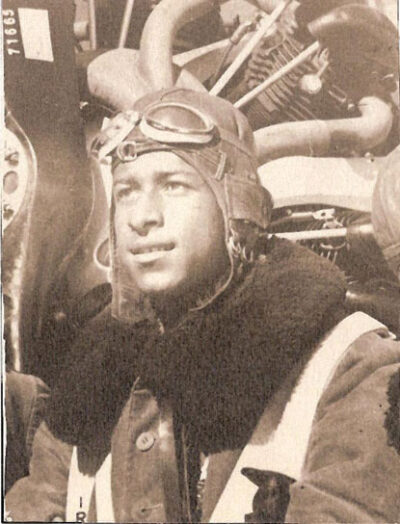
Ahmet Ali Çelikten was a Turkish aviator. Born 1883, in İzmir. Died June 24, 1969, in İzmir.
Facts
10 facts · 2 confirmed by two sources · 2 cited · 6 from one source
Where this comes from
Papalocal keeps its own record. It started from these sources; what each one said is kept here as it was copied, so a change on their side never changes this page by itself. Tap one to read its version.
What Wikidata says · copied November 18, 2026 · revision 2563022214
- Described as
- Turkish aviator (1883–1969)
- Other names
- Ahmet Ali
- Born
- 1883
- Died
- June 24, 1969 · 2 references
- Born in
- İzmir · 1 reference
- Died in
- İzmir
- Buried in
- Balçova district · 1 reference
- Citizen of
- Ottoman Empire; Turkey
- Occupation
- aircraft pilot; military personnel
- Military rank
- captain
- Wikipedias with a page
- 22
Wikidata item Q2827697 (wikidata.org/wiki/Q2827697), public domain (CC0). Copied November 18, 2026.
What Wikipedia says · copied November 18, 2026 · revision 1379984324
Ahmet Ali Çelikten (born İzmirli Alioğlu Ahmed; 1883 – 24 June 1969), also known as İzmirli Ali Ahmet (English: Ahmet Ali from İzmir), was a Turkish aviator of Afro-Turkish descent regarded as one of the first black pilots in history. He was one of the first black men to become a fighter pilot, receiving his "wings" in 1914/1915. He was one of the few black pilots in World War I, similar to African American Eugene Jacques Bullard (flying for France), William Robinson Clarke from Jamaica (flying for Britain), Pierre Réjon flying for France and Domenico Mondelli from Eritrea (flying for Italy).
- Born, in its opening lines
- 1883
- Died, in its opening lines
- June 24, 1969
From the Wikipedia article “Ahmet Ali Çelikten” (en.wikipedia.org/wiki/Ahmet_Ali_Çelikten), by its contributors, under CC BY-SA 4.0 (creativecommons.org/licenses/by-sa/4.0/). Copied November 18, 2026; not changed.
Confirmed Two sources agree. Cited One source, and it names where it got it. One source One source, without a reference of its own. Sources disagree The sources disagree. We show the best-supported value and keep theirs below.
