
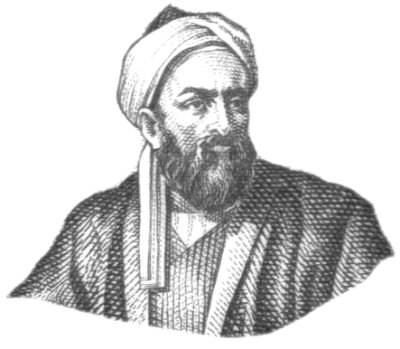
Al-Biruni
Al-Biruni was the 11th-century Khwarazmian scholar and polymath. Born September 4, 973, in Kath. Died December 9, 1048, in Ghazni. Known for The Remaining Signs of Past Centuries, Al-Tafhim and Al-Biruni's India.
Facts
32 facts · 0 confirmed by two sources · 10 cited · 22 from one source
Where this comes from
Papalocal keeps its own record. It started from these sources; what each one said is kept here as it was copied, so a change on their side never changes this page by itself. Tap one to read its version.
What Wikidata says · copied November 16, 2026 · revision 2566136221
- Described as
- 11th-century Khwarazmian scholar and polymath (973–1048)
- Other names
- Al Biruni, Biruni, Abu Rayhan al-Biruni, Abū Rayḥān al-Bīrūnī, Abu al-Rayhan al-Biruni, Abū al-Rayḥān al-Bīrūnī, Albirunius, Beruni, Muḥammad ibn Aḥmad Bīrūnī
- Born
- September 4, 973 · 1 reference
- Died
- December 9, 1048 · 1 reference
- Born in
- Kath · 1 reference
- Died in
- Ghazni · 1 reference
- Name at birth
- محمد بن أحمد البِيرُونيِّ · 1 reference
- Citizen of
- Abbasid Caliphate · 1 reference
- Occupation
- philosopher; chemist; geographer; polymath · 2 references; mathematician; cartographer; astronomer; translator
- Known for
- The Remaining Signs of Past Centuries; Al-Tafhim; Al-Biruni's India; al-Qānūn al-Maʻsudī; Alṣydnh fī al-ṭibb; Tahdid nihayat al-amakin li-tashih masafat al-masakin; Kitab Al-Djamahir Fi Maârifati Al-Djawahir
- Field
- physics; mathematics; astronomy; natural science; history; chronology
- Religion
- Islam · 1 reference; Sunni Islam · 1 reference
- Lived in
- Ray · 1 reference; Ghazni · 1 reference; Gorgan · 1 reference
- Wikipedias with a page
- 111
Wikidata item Q11826 (wikidata.org/wiki/Q11826), public domain (CC0). Copied November 16, 2026.
What Wikipedia says · copied November 16, 2026 · revision 1384547353
Abu Reyhan Muhammad ibn Ahmad al-Biruni (Persian: ابوریحان محمد بن احمد بیرونی, romanized: Abū-Reyhān Bīrūnī; Arabic: أبو الريحان محمد بن أحمد البيروني; c. 973 – c. 1050), known as Biruni (بیرونی), was an Iranian Khwarazmian polymath of the Islamic Golden Age. Well versed in physics, mathematics, astronomy and the natural sciences, he also distinguished himself as a historian, chronologist and linguist, and has been described as the first anthropologist and a founding figure in comparative religion, geodesy and Indology.
Born in Kath in Khwarazm, al-Biruni spent the first twenty-five years of his life there before moving, after the fall of the Afrighids in 995, between the courts of Bukhara, Tabaristan and Gurganj. Around 1000 he completed his first major work, al-Āthār al-bāqiya ʿan al-qurūn al-khāliya, on historical and scientific chronology. From 1017 he lived at Ghazni under Mahmud of Ghazni, serving as court astrologer and accompanying Mahmud's campaigns in the Indian subcontinent; the resulting Tārīkh al-Hind, finished around 1030, is the work on which his reputation as an Indologist chiefly rests. He died at Ghazni around 1050.
He studied almost all the sciences of his day and was rewarded abundantly for his research in many fields of knowledge. Royalty and other powerful elements in society funded al-Biruni's research and sought him out with specific projects in mind. Influential in his own right, he was himself influenced by the scholars of other nations, such as the Greeks, from whom he took inspiration when he turned to the study of philosophy. A gifted linguist, in addition to his native Khwarezmian he was conversant in Persian, Arabic and Sanskrit, and also knew Greek, Hebrew and Syriac. He was, for his time, an admirably impartial writer on the customs and creeds of various nations, his scholarly objectivity earning him the title al-Ustadh ("The Master") in recognition of his remarkable description of early 11th-century India.
From the Wikipedia article “Al-Biruni” (en.wikipedia.org/wiki/Al-Biruni), by its contributors, under CC BY-SA 4.0 (creativecommons.org/licenses/by-sa/4.0/). Copied November 16, 2026; not changed.
Confirmed Two sources agree. Cited One source, and it names where it got it. One source One source, without a reference of its own. Sources disagree The sources disagree. We show the best-supported value and keep theirs below.
