
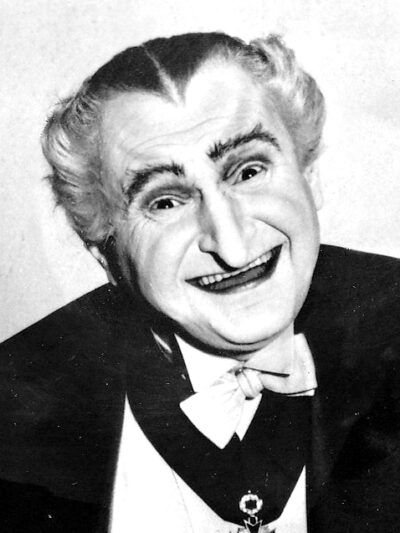
Al Lewis
Al Lewis was an American actor, radio personality, politician. Born April 30, 1923, in Manhattan. Died February 3, 2006, in New York City. Educated at Thomas Jefferson High School.
Facts
11 facts · 2 confirmed by two sources · 1 cited · 8 from one source
Where this comes from
Papalocal keeps its own record. It started from these sources; what each one said is kept here as it was copied, so a change on their side never changes this page by itself. Tap one to read its version.
What Wikidata says · copied November 16, 2026 · revision 2562726830
- Described as
- American actor, radio personality, politician (1923–2006)
- Born
- April 30, 1923 · 4 references
- Died
- February 3, 2006 · 5 references
- Born in
- Manhattan
- Died in
- New York City
- Citizen of
- United States
- Occupation
- actor · 1 reference; film actor; television actor; radio personality
- Education
- Thomas Jefferson High School · 1 reference
- Spouse
- Karen Ingenthron (1984–2006)
- Wikipedias with a page
- 20
Wikidata item Q1970201 (wikidata.org/wiki/Q1970201), public domain (CC0). Copied November 16, 2026.
What Wikipedia says · copied November 16, 2026 · revision 1379152547
Al Lewis (born Abraham Meister; April 30, 1923 – February 3, 2006) was an American actor and activist, best known for his role as Grandpa on the television series The Munsters from 1964 to 1966 and its film versions. He previously also co-starred with The Munsters' Fred Gwynne in the television show Car 54, Where Are You? from 1961 to 1963. Later in life, he was a restaurant owner, political candidate, and radio broadcaster.
- Born, in its opening lines
- April 30, 1923
- Died, in its opening lines
- February 3, 2006
From the Wikipedia article “Al Lewis” (en.wikipedia.org/wiki/Al_Lewis), by its contributors, under CC BY-SA 4.0 (creativecommons.org/licenses/by-sa/4.0/). Copied November 16, 2026; not changed.
Confirmed Two sources agree. Cited One source, and it names where it got it. One source One source, without a reference of its own. Sources disagree The sources disagree. We show the best-supported value and keep theirs below.
