
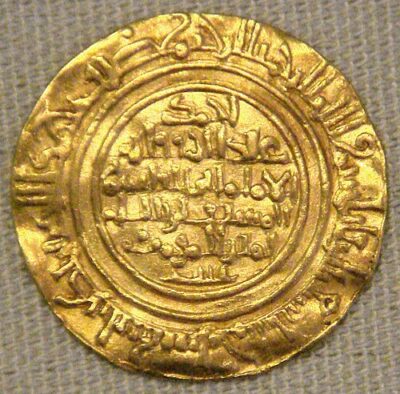
Al-Musta'li
Al-Musta'li was a Fatimid caliph and imam. Born 1075, in Cairo. Died 1101, in Cairo. Positions held include Fatimid Caliph (1094–1101) and Ismaili imam (1094–1101).
Facts
17 facts · 1 confirmed by two sources · 2 cited · 13 from one source · 1 where the sources disagree
What’s different
- Born: we show 1075 (Sources disagree). Wikidata also lists August 24, 1076
- Died: we show 1101 (Confirmed). Wikidata also lists December 10, 1101
Where this comes from
Papalocal keeps its own record. It started from these sources; what each one said is kept here as it was copied, so a change on their side never changes this page by itself. Tap one to read its version.
What Wikidata says · copied November 16, 2026 · revision 2553833202
- Described as
- Fatimid caliph and imam (1074–1101)
- Other names
- Abū al-Qāsim al-Musta‘lī, al-Mustaʿlī bi-llāh
- Born
- August 24, 1076; 1075 · 1 reference
- Died
- December 10, 1101; 1101 · 1 reference
- Born in
- Cairo
- Died in
- Cairo
- Citizen of
- Fatimid Caliphate
- Occupation
- ruler; imam; caliph; king · 1 reference; governor · 1 reference
- Positions held
- Fatimid Caliph (1094–1101); Ismaili imam (1094–1101)
- Children
- Al-Amir bi-Ahkam Allah
- Father
- Al-Mustansir
- Siblings
- Nizar
- Religion
- Islam; Shia Islam
- Wikipedias with a page
- 32
Wikidata item Q285668 (wikidata.org/wiki/Q285668), public domain (CC0). Copied November 16, 2026.
What Wikipedia says · copied November 16, 2026 · revision 1385798273
Abū al-Qāsim Aḥmad ibn al-Mustanṣir (Arabic: أبو القاسم أحمد بن المستنصر; 15/16 September 1074 – 11/12 December 1101), better known by his regnal name al-Mustaʿlī biʾllāh (المستعلي بالله, lit. 'The One Raised Up by God'), was the ninth Fatimid caliph and the 19th imam of Musta'li Ismailism.
Although not the eldest (and most likely the youngest) of the sons of Caliph al-Mustansir Billah, al-Musta'li became caliph through the machinations of his brother-in-law, the vizier al-Afdal Shahanshah. In response, his oldest brother and most likely candidate for their father's succession, Nizar, rose in revolt in Alexandria but was defeated and executed. This caused a major split in the Isma'ili movement. Many communities, especially in Persia and Iraq, split off from the officially sponsored Isma'ili hierarchy and formed their own Nizari movement, holding Nizar and his descendants as the rightful imams.
Throughout his reign, al-Musta'li remained subordinate to al-Afdal, who was the de facto ruler of the Fatimid Caliphate. The Caliphate's core territory in Egypt experienced a period of good government and prosperity, but the Fatimids suffered setbacks in Syria, where they were faced with the advance of the Sunni Seljuk Turks. Al-Afdal managed to recover the port city of Tyre, and even recapture Jerusalem in the turmoil caused by the arrival of the First Crusade in northern Syria. Despite Fatimid attempts to make common cause with the Crusaders against the Seljuks, the latter advanced south and captured Jerusalem in July 1099, sealing their success with a major victory over the Fatimid army led by al-Afdal at the Battle of Ascalon shortly after. Al-Musta'li died in 1101 and was succeeded by his five-year-old son, al-Amir.
- Born, in its opening lines
- September 16, 1074
- Died, in its opening lines
- December 12, 1101
From the Wikipedia article “Al-Musta'li” (en.wikipedia.org/wiki/Al-Musta'li), by its contributors, under CC BY-SA 4.0 (creativecommons.org/licenses/by-sa/4.0/). Copied November 16, 2026; not changed.
Confirmed Two sources agree. Cited One source, and it names where it got it. One source One source, without a reference of its own. Sources disagree The sources disagree. We show the best-supported value and keep theirs below.
