
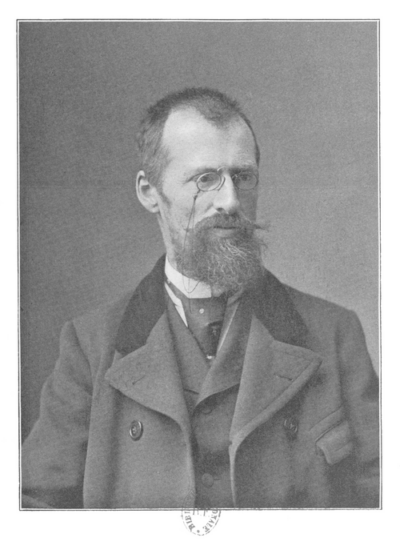
Albert Robida
Albert Robida was a French illustrator. Born May 14, 1848, in Compiègne. Died October 11, 1926, in Neuilly-sur-Seine. Awards include Knight of the Legion of Honour.
Facts
16 facts · 2 confirmed by two sources · 7 cited · 7 from one source
Where this comes from
Papalocal keeps its own record. It started from these sources; what each one said is kept here as it was copied, so a change on their side never changes this page by itself. Tap one to read its version.
What Wikidata says · copied November 18, 2026 · revision 2568207658
- Described as
- French illustrator (1848–1926)
- Born
- May 14, 1848 · 10 references
- Died
- October 11, 1926 · 11 references
- Born in
- Compiègne · 1 reference
- Died in
- Neuilly-sur-Seine · 1 reference
- Citizen of
- France · 1 reference
- Occupation
- journalist; caricaturist; illustrator · 1 reference; writer · 1 reference; science fiction writer; novelist; children's writer; lithographer · 2 references
- Genre
- science fiction
- Awards
- Knight of the Legion of Honour (1900) · 1 reference
- Children
- Camille Robida · 1 reference
- Wikipedias with a page
- 20
Wikidata item Q946733 (wikidata.org/wiki/Q946733), public domain (CC0). Copied November 18, 2026.
What Wikipedia says · copied November 18, 2026 · revision 1381459493
Albert Robida (14 May 1848 – 11 October 1926) was a French illustrator, etcher, lithographer, caricaturist, and novelist. He edited and published La Caricature magazine for 12 years. Through the 1880s, he wrote an acclaimed works of early science fiction, especially La Guerre au vingtième siècle(1887) and Le Vingtième siècle. La vie électrique (1890).
- Born, in its opening lines
- May 14, 1848
- Died, in its opening lines
- October 11, 1926
From the Wikipedia article “Albert Robida” (en.wikipedia.org/wiki/Albert_Robida), by its contributors, under CC BY-SA 4.0 (creativecommons.org/licenses/by-sa/4.0/). Copied November 18, 2026; not changed.
Confirmed Two sources agree. Cited One source, and it names where it got it. One source One source, without a reference of its own. Sources disagree The sources disagree. We show the best-supported value and keep theirs below.
