
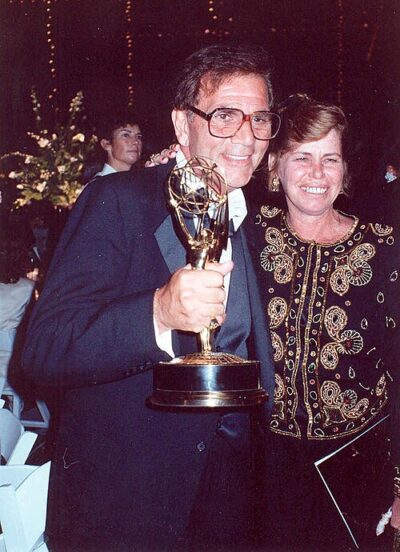
Alex Rocco
Alex Rocco was an American actor. Born February 29, 1936, in Cambridge. Died July 18, 2015, in Studio City. Awards include Primetime Emmy Award for Outstanding Supporting Actor in a Comedy Series.
Facts
13 facts · 2 confirmed by two sources · 3 cited · 8 from one source
Where this comes from
Papalocal keeps its own record. It started from these sources; what each one said is kept here as it was copied, so a change on their side never changes this page by itself. Tap one to read its version.
What Wikidata says · copied November 15, 2026 · revision 2567827547
- Described as
- American actor (1936–2015)
- Born
- February 29, 1936 · 4 references
- Died
- July 18, 2015 · 2 references
- Born in
- Cambridge · 1 reference
- Died in
- Studio City
- Cause of death
- cancer
- Citizen of
- United States
- Occupation
- actor · 1 reference; film actor; television actor; voice actor
- Awards
- Primetime Emmy Award for Outstanding Supporting Actor in a Comedy Series (1990)
- Spouse
- Shannon Wilcox (2005–2015) · 1 reference
- Religion
- Baháʼí Faith
- Wikipedias with a page
- 35
Wikidata item Q975161 (wikidata.org/wiki/Q975161), public domain (CC0). Copied November 15, 2026.
What Wikipedia says · copied November 15, 2026 · revision 1382309576
Alex Rocco (born Alessandro Federico Petricone Jr.; February 29, 1936 – July 18, 2015) was an American actor. Known for his distinctive, gravelly voice, he was often cast as villains, including Moe Greene in The Godfather (1972) and his Primetime Emmy Award–winning role in The Famous Teddy Z. Rocco did a significant amount of voice-over work later in his career.
- Born, in its opening lines
- February 29, 1936
- Died, in its opening lines
- July 18, 2015
From the Wikipedia article “Alex Rocco” (en.wikipedia.org/wiki/Alex_Rocco), by its contributors, under CC BY-SA 4.0 (creativecommons.org/licenses/by-sa/4.0/). Copied November 15, 2026; not changed.
Confirmed Two sources agree. Cited One source, and it names where it got it. One source One source, without a reference of its own. Sources disagree The sources disagree. We show the best-supported value and keep theirs below.
