
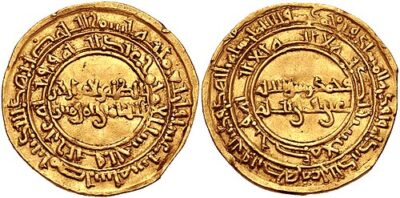
Ali az-Zahir
Ali az-Zahir was a Fatimid dynasty caliph from 1021 to 1036. Born June 20, 1005, in Cairo. Died June 13, 1036. Positions held include Fatimid Caliph (1021–1036) and Ismaili imam (1021–1036).
Facts
13 facts · 2 confirmed by two sources · 0 cited · 11 from one source
Where this comes from
Papalocal keeps its own record. It started from these sources; what each one said is kept here as it was copied, so a change on their side never changes this page by itself. Tap one to read its version.
What Wikidata says · copied November 17, 2026 · revision 2488839058
- Described as
- Fatimid dynasty caliph from 1021 to 1036
- Other names
- Abū al-Ḥasan al-Ẓāhir, Abu'l Hasan ʻAlī az-Zāhir li A'zaz li Din-illah
- Born
- June 20, 1005 · 1 reference
- Died
- June 13, 1036 · 1 reference
- Born in
- Cairo
- Cause of death
- plague
- Citizen of
- Fatimid Caliphate
- Occupation
- sovereign; imam; caliph
- Positions held
- Fatimid Caliph (1021–1036); Ismaili imam (1021–1036)
- Children
- Al-Mustansir
- Father
- Al-Hakim bi-Amr Allah
- Religion
- Islam
- Wikipedias with a page
- 28
Wikidata item Q1740272 (wikidata.org/wiki/Q1740272), public domain (CC0). Copied November 17, 2026.
What Wikipedia says · copied November 17, 2026 · revision 1385798189
Abū al-Ḥasan ʿAlī ibn al-Ḥākim (Arabic: أبو الحسن علي ابن الحاكم; 20 June 1005 – 13 June 1036), better known with his regnal name al-Ẓāhir li-Iʿzāz Dīn Allāh (Arabic: الظاهر لإعزاز دين الله, lit. 'He Who Appears Openly to Strengthen the Religion of God'), was the seventh Imam–caliph of the Fatimid dynasty (1021–1036). Al-Zahir assumed the caliphate after the disappearance of his father al-Hakim bi-Amr Allah.
- Born, in its opening lines
- June 20, 1005
- Died, in its opening lines
- June 13, 1036
From the Wikipedia article “Al-Zahir li-I'zaz Din Allah” (en.wikipedia.org/wiki/Al-Zahir_li-I'zaz_Din_Allah), by its contributors, under CC BY-SA 4.0 (creativecommons.org/licenses/by-sa/4.0/). Copied November 17, 2026; not changed.
Confirmed Two sources agree. Cited One source, and it names where it got it. One source One source, without a reference of its own. Sources disagree The sources disagree. We show the best-supported value and keep theirs below.
