
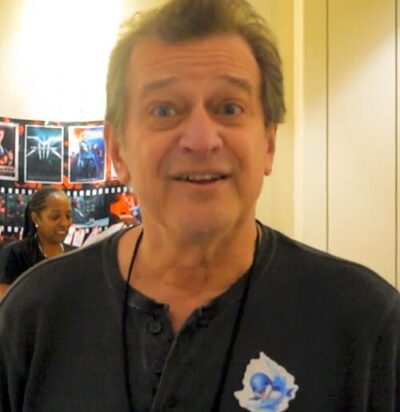
Allen Covert
Allen Covert is an American actor and comedian. Born October 13, 1964, in West Palm Beach. Known for Grandma's Boy. Educated at New York University.
Facts
16 facts · 1 confirmed by two sources · 2 cited · 13 from one source
Where this comes from
Papalocal keeps its own record. It started from these sources; what each one said is kept here as it was copied, so a change on their side never changes this page by itself. Tap one to read its version.
What Wikidata says · copied November 16, 2026 · revision 2552667315
- Described as
- American actor and comedian
- Other names
- Allen Stephen Covert
- Born
- October 13, 1964 · 1 reference
- Born in
- West Palm Beach
- Citizen of
- United States
- Occupation
- actor · 1 reference; film producer · 1 reference; writer; screenwriter; film actor; children's writer; television actor
- Political party
- California Republican Party
- Education
- New York University
- Known for
- Grandma's Boy
- Religion
- Judaism
- Lived in
- California
- Website
- http://www.allencovert.com/
- Wikipedias with a page
- 22
Wikidata item Q1713151 (wikidata.org/wiki/Q1713151), public domain (CC0). Copied November 16, 2026.
What Wikipedia says · copied November 16, 2026 · revision 1377937698
Allen Stephen Covert (born October 13, 1964) is an American comedian, actor, writer, and producer. He is best known for his starring role in the 2006 comedy film Grandma's Boy, and his supporting actor role in the movie Strange Wilderness (2008). He is a frequent collaborator of actor and friend Adam Sandler with prominent roles in such films as Happy Gilmore (1996), The Wedding Singer (1998), Big Daddy (1999), Little Nicky (2000), Mr. Deeds (2002), Anger Management (2003), 50 First Dates (2004) and I Now Pronounce You Chuck and Larry (2007).
- Born, in its opening lines
- October 13, 1964
From the Wikipedia article “Allen Covert” (en.wikipedia.org/wiki/Allen_Covert), by its contributors, under CC BY-SA 4.0 (creativecommons.org/licenses/by-sa/4.0/). Copied November 16, 2026; not changed.
Confirmed Two sources agree. Cited One source, and it names where it got it. One source One source, without a reference of its own. Sources disagree The sources disagree. We show the best-supported value and keep theirs below.
