
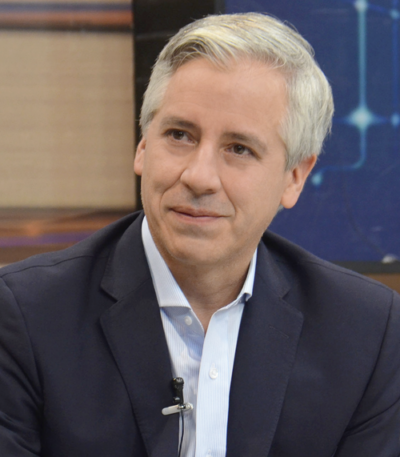
Álvaro García Linera
Álvaro García Linera is a Bolivian politician and Former Vice President of Bolivia. Born October 19, 1962, in Cochabamba. Positions held include Vice President of Bolivia (2006–2019). Educated at National Autonomous University of Mexico and Colegio San Agustín (Cochabamba).
Facts
12 facts · 1 confirmed by two sources · 2 cited · 9 from one source
Where this comes from
Papalocal keeps its own record. It started from these sources; what each one said is kept here as it was copied, so a change on their side never changes this page by itself. Tap one to read its version.
What Wikidata says · copied November 18, 2026 · revision 2567817957
- Described as
- Bolivian politician and Former Vice President of Bolivia (2006–2019)
- Born
- October 19, 1962
- Born in
- Cochabamba · 1 reference
- Citizen of
- Bolivia
- Occupation
- politician · 1 reference
- Positions held
- Vice President of Bolivia (2006–2019)
- Political party
- Movement Toward Socialism
- Education
- National Autonomous University of Mexico; Colegio San Agustín (Cochabamba)
- Member of
- Túpac Katari Guerrilla Army
- Spouse
- Claudia Fernández Valdivia (2012–); Raquel Gutiérrez
- Lived in
- Buenos Aires · 1 reference
- Wikipedias with a page
- 23
Wikidata item Q250993 (wikidata.org/wiki/Q250993), public domain (CC0). Copied November 18, 2026.
What Wikipedia says · copied November 18, 2026 · revision 1360747479
Álvaro Marcelo García Linera (Spanish: [ˈalβaɾo ɣaɾˈsi.a liˈneɾa]; born 19 October 1962) is a Bolivian politician, sociologist, Marxist theoretician, and former guerrilla who served as the 38th vice president of Bolivia from 2006 to 2019. A member of the Movement for Socialism, in the early 1990s he was a leader of the Túpac Katari Guerrilla Army.
- Born, in its opening lines
- October 19, 1962
From the Wikipedia article “Álvaro García Linera” (en.wikipedia.org/wiki/Álvaro_García_Linera), by its contributors, under CC BY-SA 4.0 (creativecommons.org/licenses/by-sa/4.0/). Copied November 18, 2026; not changed.
Confirmed Two sources agree. Cited One source, and it names where it got it. One source One source, without a reference of its own. Sources disagree The sources disagree. We show the best-supported value and keep theirs below.
