
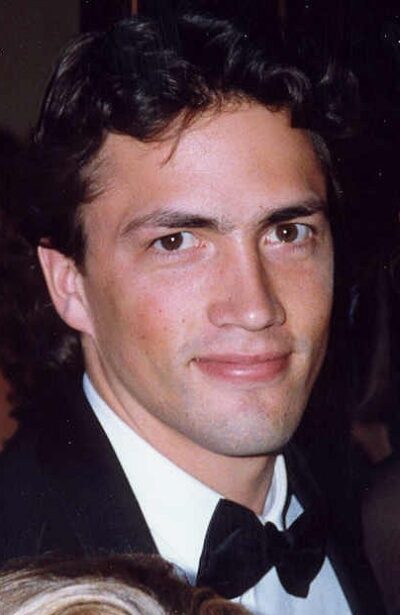
Andrew Shue
Andrew Shue is an American actor, soccer player. Born February 20, 1967, in Wilmington. Teams include Highlanders F.C., Anaheim Splash (1993–1994) and LA Galaxy (1996). Educated at Dartmouth College and Columbia High School.
Facts
17 facts · 1 confirmed by two sources · 1 cited · 15 from one source
Where this comes from
Papalocal keeps its own record. It started from these sources; what each one said is kept here as it was copied, so a change on their side never changes this page by itself. Tap one to read its version.
What Wikidata says · copied November 16, 2026 · revision 2553182014
- Described as
- American actor, soccer player
- Other names
- Andrew Eppley Shue
- Born
- February 20, 1967 · 1 reference
- Born in
- Wilmington
- Citizen of
- United States
- Occupation
- actor; association football player · 1 reference; film actor; television actor · 1 reference; film producer · 1 reference
- Education
- Dartmouth College; Columbia High School
- Teams
- Highlanders F.C.; Anaheim Splash (1993–1994); LA Galaxy (1996)
- Sport
- association football
- Spouse
- Amy Robach (2010–2023)
- Mother
- Anne Brewster Wells
- Siblings
- Elisabeth Shue
- Wikipedias with a page
- 23
Wikidata item Q507495 (wikidata.org/wiki/Q507495), public domain (CC0). Copied November 16, 2026.
What Wikipedia says · copied November 16, 2026 · revision 1383577453
Andrew Shue (born February 20, 1967) is an American actor, known for his role as Billy Campbell on the television series Melrose Place (1992–1999). Shue played soccer professionally for several years. He co-founded and served on the board of directors of the global non-profit organization DoSomething, and co-founded the social networking website CafeMom.
- Born, in its opening lines
- February 20, 1967
From the Wikipedia article “Andrew Shue” (en.wikipedia.org/wiki/Andrew_Shue), by its contributors, under CC BY-SA 4.0 (creativecommons.org/licenses/by-sa/4.0/). Copied November 16, 2026; not changed.
Confirmed Two sources agree. Cited One source, and it names where it got it. One source One source, without a reference of its own. Sources disagree The sources disagree. We show the best-supported value and keep theirs below.
