
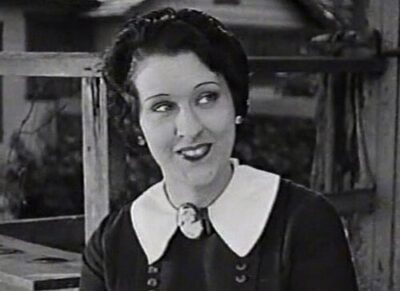
Anita Garvin
Anita Garvin was an American actress. Born February 11, 1906, in New York City. Died July 7, 1994, in Los Angeles.
Facts
11 facts · 2 confirmed by two sources · 3 cited · 6 from one source
What’s different
- Born: we show February 11, 1906 (Confirmed). Wikidata also lists February 11, 1907
Where this comes from
Papalocal keeps its own record. It started from these sources; what each one said is kept here as it was copied, so a change on their side never changes this page by itself. Tap one to read its version.
What Wikidata says · copied November 18, 2026 · revision 2554130297
- Described as
- American actress (1907–1994)
- Born
- February 11, 1907 · 1 reference; February 11, 1906 · 1 reference
- Died
- July 7, 1994 · 2 references
- Born in
- New York City · 1 reference
- Died in
- Los Angeles · 1 reference
- Buried in
- San Fernando Mission Cemetery
- Cause of death
- disease
- Citizen of
- United States
- Occupation
- actor · 1 reference; film actor; Ziegfeld girl
- Spouse
- Clem Beauchamp (1926–)
- Wikipedias with a page
- 17
Wikidata item Q282367 (wikidata.org/wiki/Q282367), public domain (CC0). Copied November 18, 2026.
What Wikipedia says · copied November 18, 2026 · revision 1374440096
Anita Garvin (born Anna Frances Garvin; February 11, 1906 – July 7, 1994) was an American stage performer and film actress who worked in both the silent and sound eras. Before her retirement in 1942, she reportedly appeared in over 350 shorts and features for various Hollywood studios. Her best known roles are as supporting characters in Hal Roach comedies starring Laurel and Hardy and Charley Chase.
- Born, in its opening lines
- February 11, 1906
- Died, in its opening lines
- July 7, 1994
From the Wikipedia article “Anita Garvin” (en.wikipedia.org/wiki/Anita_Garvin), by its contributors, under CC BY-SA 4.0 (creativecommons.org/licenses/by-sa/4.0/). Copied November 18, 2026; not changed.
Confirmed Two sources agree. Cited One source, and it names where it got it. One source One source, without a reference of its own. Sources disagree The sources disagree. We show the best-supported value and keep theirs below.
