
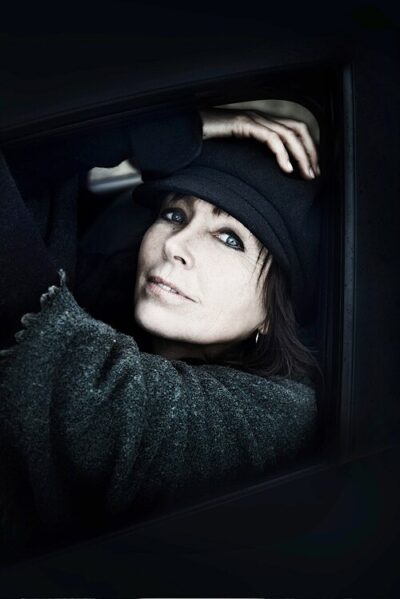
Anita Skorgan
Anita Skorgan is a Norwegian singer-songwriter. Born November 13, 1958, in Gothenburg. Awards include Spellemann Award for pop record of the year, Rockheim Hall of Fame and King's Medal of Merit.
Facts
18 facts · 1 confirmed by two sources · 6 cited · 11 from one source
Where this comes from
Papalocal keeps its own record. It started from these sources; what each one said is kept here as it was copied, so a change on their side never changes this page by itself. Tap one to read its version.
What Wikidata says · copied November 17, 2026 · revision 2557766873
- Described as
- Norwegian singer-songwriter
- Born
- November 13, 1958 · 2 references
- Born in
- Gothenburg · 1 reference
- Citizen of
- Norway; Sweden
- Occupation
- musician · 1 reference; singer · 1 reference; singer-songwriter; recording artist; pop musician · 1 reference
- Member of
- Queen Bees
- Genre
- schlager music · 1 reference; ballad
- Instrument
- voice
- Awards
- Spellemann Award for pop record of the year (1979); Rockheim Hall of Fame (2019) · 1 reference; King's Medal of Merit (2019) · 1 reference
- Spouse
- Jahn Teigen (1984–1987)
- Children
- Sara Skorgan Teigen
- Wikipedias with a page
- 25
Wikidata item Q262921 (wikidata.org/wiki/Q262921), public domain (CC0). Copied November 17, 2026.
What Wikipedia says · copied November 17, 2026 · revision 1374372535
Anita Skorgan (born 13 November 1958) is a Norwegian singer-songwriter. She represented Norway in the Eurovision Song Contest in 1977 (14th), 1979 (11th) and with Jan Teigen in 1982 (12th). She was also a backing singer at the 1981 and 1983 contests, and co-wrote the 1988 Norwegian Eurovision entry "For vår jord", which placed fifth.
- Born, in its opening lines
- November 13, 1958
From the Wikipedia article “Anita Skorgan” (en.wikipedia.org/wiki/Anita_Skorgan), by its contributors, under CC BY-SA 4.0 (creativecommons.org/licenses/by-sa/4.0/). Copied November 17, 2026; not changed.
Confirmed Two sources agree. Cited One source, and it names where it got it. One source One source, without a reference of its own. Sources disagree The sources disagree. We show the best-supported value and keep theirs below.
