
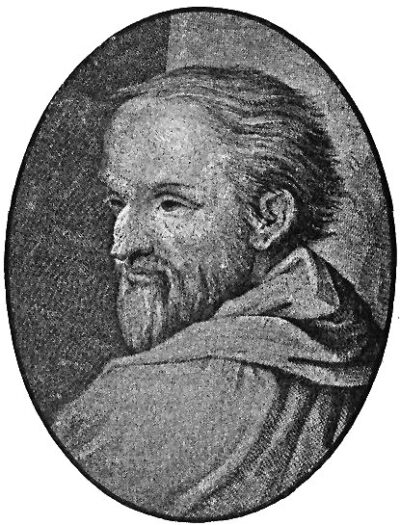
Antonio da Correggio
Antonio da Correggio was an Italian Renaissance painter. Born August 30, 1489, in Correggio. Died March 5, 1534, in Correggio. Known for Jupiter and Io, Assumption of the Virgin and Ganymede Abducted by the Eagle.
Facts
23 facts · 2 confirmed by two sources · 13 cited · 8 from one source
Where this comes from
Papalocal keeps its own record. It started from these sources; what each one said is kept here as it was copied, so a change on their side never changes this page by itself. Tap one to read its version.
What Wikidata says · copied November 16, 2026 · revision 2569653108
- Described as
- Italian Renaissance painter (1489–1534)
- Other names
- Antonio Allegri da Correggio, Antonio de Allegris, Antonio Coreço, A. Correge, Allegri, Allegris, Antoine Allegri dit Le Corrége, Le Correge, Coreçio, dit le Correge Antoine Allegri, Lieto, Antonio Allegri detto Correggio
- Born
- August 30, 1489
- Died
- March 5, 1534 · 3 references
- Born in
- Correggio · 4 references
- Died in
- Correggio · 2 references
- Citizen of
- Signoria di Correggio · 1 reference
- Occupation
- painter · 4 references; draftsperson · 4 references; fresco painter · 2 references
- Genre
- history painting · 1 reference; allegory · 1 reference; landscape painting · 1 reference; nude · 1 reference; portrait painting · 1 reference; religious painting · 1 reference
- Known for
- Jupiter and Io; Assumption of the Virgin; Ganymede Abducted by the Eagle; The Betrayal of Christ, with a soldier in pursuit of Mark the Evangelist · 1 reference; Christ the Redeemer · 1 reference; Allegoric scene · 1 reference; The Annunciation · 1 reference
- Field
- painting · 5 references
- Children
- Pomponio Allegri · 1 reference
- Wikipedias with a page
- 56
Wikidata item Q8457 (wikidata.org/wiki/Q8457), public domain (CC0). Copied November 16, 2026.
What Wikipedia says · copied November 16, 2026 · revision 1370412376
Antonio Allegri da Correggio (August 1489 – 5 March 1534), usually known as just Correggio (, also UK: , US: , Italian: [korˈreddʒo]), was an Italian Renaissance painter who was the foremost painter of the Parma school of the High Renaissance, and was responsible for some of the most vigorous and sensuous works of the sixteenth century. In his use of dynamic composition, illusionistic perspective and dramatic foreshortening, Correggio prefigured the Baroque art of the seventeenth century and the Rococo art of the eighteenth century. He is considered a master of chiaroscuro.
- Born, in its opening lines
- August 1489
- Died, in its opening lines
- March 5, 1534
From the Wikipedia article “Antonio da Correggio” (en.wikipedia.org/wiki/Antonio_da_Correggio), by its contributors, under CC BY-SA 4.0 (creativecommons.org/licenses/by-sa/4.0/). Copied November 16, 2026; not changed.
Confirmed Two sources agree. Cited One source, and it names where it got it. One source One source, without a reference of its own. Sources disagree The sources disagree. We show the best-supported value and keep theirs below.
