
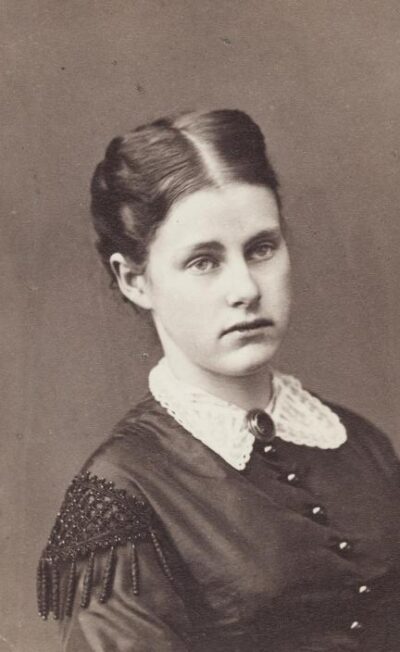
Archduchess Mathilda of Austria
Archduchess Mathilda of Austria was an Austrian archduchess. Born January 25, 1849, in Schloss Hetzendorf. Died June 6, 1867, in Schloss Hetzendorf.
Facts
11 facts · 2 confirmed by two sources · 2 cited · 7 from one source
Where this comes from
Papalocal keeps its own record. It started from these sources; what each one said is kept here as it was copied, so a change on their side never changes this page by itself. Tap one to read its version.
What Wikidata says · copied November 18, 2026 · revision 2569174569
- Described as
- Austrian archduchess (1849–1867)
- Other names
- Mathilda of Habsburg-Lorraine, Archduchess Mathilde of Austria, Archduchess Mathilde Marie Adelgunde Alexandra of Austria
- Born
- January 25, 1849 · 2 references
- Died
- June 6, 1867 · 1 reference
- Born in
- Schloss Hetzendorf · 1 reference
- Died in
- Schloss Hetzendorf · 1 reference
- Buried in
- Imperial Crypt
- Citizen of
- Austrian Empire
- Occupation
- aristocrat
- Father
- Archduke Albrecht, Duke of Teschen
- Mother
- Princess Hildegard Louise of Bavaria
- Siblings
- Archduchess Maria Theresa of Austria; Archduke Karl Albrecht of Austria
- Wikipedias with a page
- 22
Wikidata item Q78594 (wikidata.org/wiki/Q78594), public domain (CC0). Copied November 18, 2026.
What Wikipedia says · copied November 18, 2026 · revision 1358479134
Archduchess Mathilde Marie Adelgunde Alexandra of Austria (25 January 1849 – 6 June 1867) was a member of the House of Habsburg-Lorraine as the daughter of Archduke Albert, Duke of Teschen. She was intended to become the Queen of Italy as the wife of King Umberto I, but her early death prevented the marriage.
- Born, in its opening lines
- January 25, 1849
- Died, in its opening lines
- June 6, 1867
From the Wikipedia article “Archduchess Mathilda of Austria” (en.wikipedia.org/wiki/Archduchess_Mathilda_of_Austria), by its contributors, under CC BY-SA 4.0 (creativecommons.org/licenses/by-sa/4.0/). Copied November 18, 2026; not changed.
Confirmed Two sources agree. Cited One source, and it names where it got it. One source One source, without a reference of its own. Sources disagree The sources disagree. We show the best-supported value and keep theirs below.
