
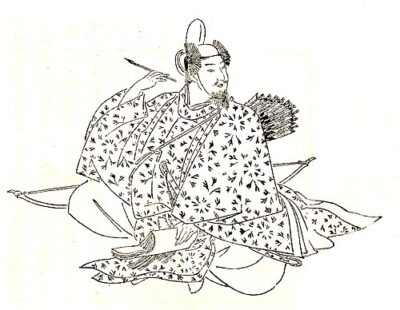
Ariwara no Narihira was a Japanese writer, courtier and waka poet. Born 825. Died July 9, 880.
Facts
17 facts · 2 confirmed by two sources · 3 cited · 12 from one source
Where this comes from
Papalocal keeps its own record. It started from these sources; what each one said is kept here as it was copied, so a change on their side never changes this page by itself. Tap one to read its version.
What Wikidata says · copied November 17, 2026 · revision 2554837068
- Described as
- Japanese writer, courtier and waka poet
- Other names
- Zai Go-Chūjō, Zai Go-Chujo, Zai Go, Zai Chūjō, Zai Chujo, Mukashi-Otoko, Zai Go Chujo, Zai Gochujo, Mukashi Otoko, Ariwara Narihira, Narihira Ariwara
- Born
- 825 · 7 references
- Died
- July 9, 880
- Citizen of
- Japan
- Occupation
- poet; writer · 1 reference
- Field
- Japanese poetry · 1 reference; tanka · 1 reference
- Spouse
- Ki no Aritsune no Musume
- Children
- Ariwara no Muneyana; Ariwara no Shigeharu; Ariwara no Yoshiko; Takashina no Moronao
- Father
- Abo-shinnō
- Mother
- Ito-naishinnō
- Siblings
- Ariwara no Yukihira; Ariwara no Nakahira; Ariwara no Morihira
- Wikipedias with a page
- 27
Wikidata item Q451991 (wikidata.org/wiki/Q451991), public domain (CC0). Copied November 17, 2026.
What Wikipedia says · copied November 17, 2026 · revision 1354529432
Ariwara no Narihira (在原 業平; Japanese pronunciation: [a.ɾi.wa.ɾa no (|) na.ɾiꜜ.çi.ɾa], 825 – 9 July 880) was a Japanese courtier and waka poet of the early Heian period. He was named one of both the Six Poetic Geniuses and the Thirty-Six Poetic Geniuses, and one of his poems was included in the Ogura Hyakunin Isshu collection. He is also known as Zai Go-Chūjō, Zai Go, Zai Chūjō or Mukashi-Otoko.
There are 87 poems attributed to Narihira in court anthologies, though some attributions are dubious. Narihira's poems are exceptionally ambiguous; the compilers of the 10th-century Kokin Wakashū thus treated them to relatively long headnotes.
Narihira's many renowned love affairs have exerted a profound influence on later Japanese culture. Legends have held that he had affairs with the high priestess of the Ise Grand Shrine and the poet Ono no Komachi, and that he fathered Emperor Yōzei. His love affairs inspired The Tales of Ise, and he has ever since been a model of the handsome, amorous nobleman. Narihira was considered an avatar of Jūichi-men Kannon.
- Born, in its opening lines
- 825
- Died, in its opening lines
- July 9, 880
From the Wikipedia article “Ariwara no Narihira” (en.wikipedia.org/wiki/Ariwara_no_Narihira), by its contributors, under CC BY-SA 4.0 (creativecommons.org/licenses/by-sa/4.0/). Copied November 17, 2026; not changed.
Confirmed Two sources agree. Cited One source, and it names where it got it. One source One source, without a reference of its own. Sources disagree The sources disagree. We show the best-supported value and keep theirs below.
