
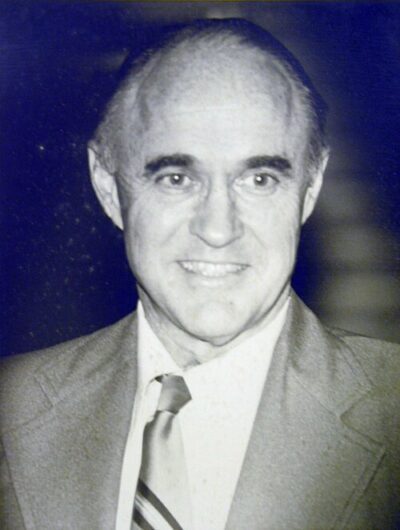
Arthur Guyton
Arthur Guyton was an American physiologist. Born September 8, 1919, in Oxford. Died April 3, 2003, in Mississippi. Awards include honorary doctorate of the University of Murcia.
Facts
10 facts · 2 confirmed by two sources · 5 cited · 3 from one source
Where this comes from
Papalocal keeps its own record. It started from these sources; what each one said is kept here as it was copied, so a change on their side never changes this page by itself. Tap one to read its version.
What Wikidata says · copied November 19, 2026 · revision 2513854509
- Described as
- American physiologist (1919–2003)
- Other names
- Arthur Clifton Guyton
- Born
- September 8, 1919
- Died
- April 3, 2003 · 2 references
- Born in
- Oxford · 1 reference
- Died in
- Mississippi · 1 reference
- Cause of death
- traffic collision · 1 reference
- Citizen of
- United States
- Occupation
- physiologist; physician · 2 references
- Worked for
- University of Mississippi
- Awards
- honorary doctorate of the University of Murcia (1989) · 1 reference
- Wikipedias with a page
- 14
Wikidata item Q3299564 (wikidata.org/wiki/Q3299564), public domain (CC0). Copied November 19, 2026.
What Wikipedia says · copied November 19, 2026 · revision 1381284633
Arthur Clifton Guyton (September 8, 1919 – April 3, 2003) was an American physiologist best known for his studies on cardiovascular physiology and his Textbook of Medical Physiology, which quickly became the standard text on the subject in medical schools. The first edition was published in 1956, the 10th edition in 2000 (the last before Guyton's death), and the 12th edition in 2010. The 15th edition published in 2025 is the latest version available. It is the world's best-selling medical physiology textbook.
- Born, in its opening lines
- September 8, 1919
- Died, in its opening lines
- April 3, 2003
From the Wikipedia article “Arthur Guyton” (en.wikipedia.org/wiki/Arthur_Guyton), by its contributors, under CC BY-SA 4.0 (creativecommons.org/licenses/by-sa/4.0/). Copied November 19, 2026; not changed.
Confirmed Two sources agree. Cited One source, and it names where it got it. One source One source, without a reference of its own. Sources disagree The sources disagree. We show the best-supported value and keep theirs below.
