
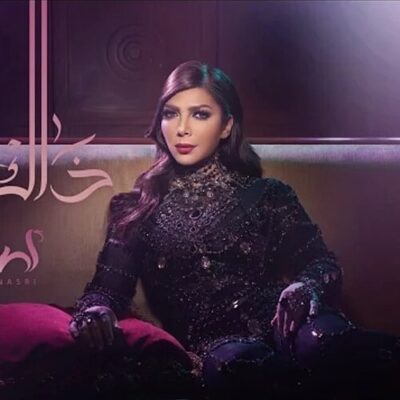
Assala is a Syrian singer. Born May 15, 1969, in Damascus.
Facts
17 facts · 1 confirmed by two sources · 1 cited · 15 from one source
Where this comes from
Papalocal keeps its own record. It started from these sources; what each one said is kept here as it was copied, so a change on their side never changes this page by itself. Tap one to read its version.
What Wikidata says · copied November 17, 2026 · revision 2564784985
- Described as
- Syrian singer
- Other names
- Asalah, Assalah, Assala Mostafa Hatem Nasri, Assala Nasri
- Born
- May 15, 1969
- Born in
- Damascus
- Citizen of
- Syria; Bahrain
- Occupation
- singer; actor; recording artist
- Genre
- Arabic music; Khaliji
- Instrument
- voice
- Record label
- Rotana Music Group (2003–); EMI
- Spouse
- Tarek Alarian (2006–2020)
- Father
- Mostafa Nasri
- Siblings
- Reem Nasri
- Religion
- Islam · 2 references
- Lived in
- Cairo
- Wikipedias with a page
- 25
Wikidata item Q2353139 (wikidata.org/wiki/Q2353139), public domain (CC0). Copied November 17, 2026.
What Wikipedia says · copied November 17, 2026 · revision 1386202706
Assala Mostafa Hatem Nasri (born 15 May 1969), mononymously known as Assala, is a Syrian singer and television personality. Referred to as the "Megastar", she is widely regarded as one of the most iconic and powerful voices in the Arab world.
Born in Damascus, Syria, into a musical family, Assala was the daughter of Mustafa Nasri, a renowned Syrian singer and composer who played a significant role in nurturing her musical talents from a young age. By the age of four, she had begun performing on children's programs and singing patriotic songs, gaining early recognition in Syria. She also performed religious and children's songs and sang the theme song Qessas Al Sho'oub for the cartoon series Hekayat Alamiyah. Assala's commercial musical career began in 1991 with the hit Egyptian song Law Ta'rafou (1993). The album featured four Egyptian songs in the oriental operatic tarab style and became an instant hit in Egypt, featuring songs such as Ya Sabra Yana (1990) and Samehtak Ketir (1993).
Assala publicly supported the Syrian revolution and opposed Bashar al-Assad. She later left Syria, going into exile and settling in Cairo, Egypt with her family while continuing to perform in various Arab countries. In addition to her singing career, Assala hosted a television program called Soula on Al Hayat TV and Dubai TV. In 2014, she was selected as a peace ambassador for the Middle East by the organization MasterPeace in connection with an event marking International Day of Peace. In 2019, she performed Right Where I'm Supposed to Be, the official song of the Special Olympics World Summer Games.
Following the fall of the Assad regime in December 2024, Assala released Syria Janna (2024). In September 2026, she returned to Damascus with her family and performed at Al-Fayhaa Sports Hall, marking her first concert in Syria in 15 years and her first official performance in the country since February 2010, when she appeared at the Damascus Opera House.
- Born, in its opening lines
- May 15, 1969
From the Wikipedia article “Assala” (en.wikipedia.org/wiki/Assala), by its contributors, under CC BY-SA 4.0 (creativecommons.org/licenses/by-sa/4.0/). Copied November 17, 2026; not changed.
Confirmed Two sources agree. Cited One source, and it names where it got it. One source One source, without a reference of its own. Sources disagree The sources disagree. We show the best-supported value and keep theirs below.
