
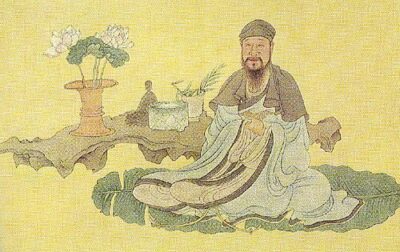
Bai Juyi
Bai Juyi was a Chinese poet of the Tang Dynasty. Born February 28, 772, in Xinzheng. Died September 23, 846, in Luoyang. Known for Song of Everlasting Regret.
Facts
15 facts · 2 confirmed by two sources · 6 cited · 7 from one source
Where this comes from
Papalocal keeps its own record. It started from these sources; what each one said is kept here as it was copied, so a change on their side never changes this page by itself. Tap one to read its version.
What Wikidata says · copied November 16, 2026 · revision 2569875842
- Described as
- Chinese poet of the Tang Dynasty (772-846)
- Other names
- Wen, Bai Ershier, Baiwengong, Po Chu-i, Letian, Xiangshan jushi, Zuiyin xiansheng, Bai fu, Bai Letian
- Born
- February 28, 772 · 1 reference
- Died
- September 23, 846 · 1 reference
- Born in
- Xinzheng
- Died in
- Luoyang
- Buried in
- Tomb of Bai Juyi
- Citizen of
- Tang dynasty · 1 reference
- Occupation
- poet · 1 reference; writer · 1 reference; Buddhist monk; calligrapher; politician · 1 reference
- Known for
- Song of Everlasting Regret
- Children
- Bai Jinluan · 1 reference; Bai Jingshou · 1 reference
- Father
- Bai Jigeng · 1 reference
- Wikipedias with a page
- 59
Wikidata item Q313324 (wikidata.org/wiki/Q313324), public domain (CC0). Copied November 16, 2026.
What Wikipedia says · copied November 16, 2026 · revision 1376735746
Bai Juyi (also Bo Juyi or Po Chü-i; Chinese: 白居易, Mandarin pinyin Bái Jūyì; 772–846), courtesy name Letian (樂天), was a Chinese musician, poet, and politician during the Tang dynasty. Many of his poems concern his career or observations made about everyday life, including as governor of three different provinces. He achieved fame as a writer of verse in a low-key, near vernacular style that was popular throughout medieval East Asia.
Bai was also influential in the historical development of Japanese literature, where he is better known by the on'yomi reading of his courtesy name, Haku Rakuten (shinjitai: 白楽天). His younger brother Bai Xingjian was a short story writer.
Among his most famous works are the long narrative poems "Chang Hen Ge" ("Song of Everlasting Sorrow"), which tells the story of Yang Guifei, and "Pipa xing" ("Song of the Pipa").
- Born, in its opening lines
- 772
- Died, in its opening lines
- 846
From the Wikipedia article “Bai Juyi” (en.wikipedia.org/wiki/Bai_Juyi), by its contributors, under CC BY-SA 4.0 (creativecommons.org/licenses/by-sa/4.0/). Copied November 16, 2026; not changed.
Confirmed Two sources agree. Cited One source, and it names where it got it. One source One source, without a reference of its own. Sources disagree The sources disagree. We show the best-supported value and keep theirs below.
