
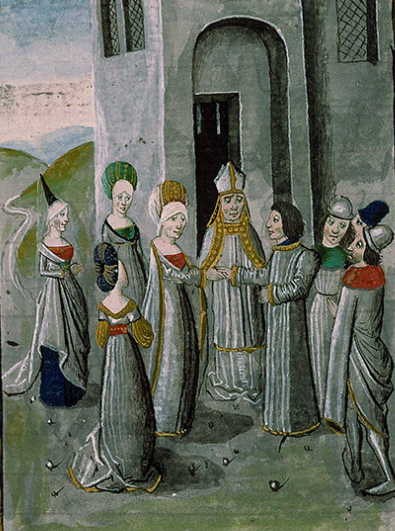
Baldwin IV, Count of Hainaut
Baldwin IV, Count of Hainaut was a count of Hainaut from 1120 to his death. Born 1108. Died November 8, 1171. Positions held include count of Hainaut.
Facts
13 facts · 2 confirmed by two sources · 2 cited · 9 from one source
Where this comes from
Papalocal keeps its own record. It started from these sources; what each one said is kept here as it was copied, so a change on their side never changes this page by itself. Tap one to read its version.
What Wikidata says · copied November 17, 2026 · revision 2554394228
- Described as
- count of Hainaut from 1120 to his death
- Other names
- Baldwin IV
- Born
- 1108
- Died
- November 8, 1171
- Occupation
- politician
- Positions held
- count of Hainaut
- Spouse
- Alice of Namur (1130–) · 1 reference
- Children
- Baldwin V, Count of Hainaut; Yolande of Hainaut · 1 reference; Agnes of Hainaut; Laurence de Hainaut; Henri de Hainault · 1 reference; Godefroi de Hainaut, comte d'Ostrevant
- Father
- Baldwin III, Count of Hainaut
- Mother
- Yolande de Wassenberg
- Wikipedias with a page
- 24
Wikidata item Q703389 (wikidata.org/wiki/Q703389), public domain (CC0). Copied November 17, 2026.
What Wikipedia says · copied November 17, 2026 · revision 1383944076
Baldwin IV (1108 – 8 November 1171) was count of Hainaut from 1120 to his death.
Baldwin IV was the son of Count Baldwin III of Hainaut and Yolande de Wassenberg. Also known as Baldwin the Builder, he purchased the property of Ath in 1158 and built the Burbant tower. He ceded the locality of Braine-la-Willotte, also known as Braine-le-Comte, to the chapter of Sainte-Waudru in 1158. In 1159, he incorporated the seigniory of Chimay and in 1160 the châtellenies of Valencians and of Ostrevent.
- Born, in its opening lines
- 1108
- Died, in its opening lines
- November 8, 1171
From the Wikipedia article “Baldwin IV of Hainaut” (en.wikipedia.org/wiki/Baldwin_IV_of_Hainaut), by its contributors, under CC BY-SA 4.0 (creativecommons.org/licenses/by-sa/4.0/). Copied November 17, 2026; not changed.
Confirmed Two sources agree. Cited One source, and it names where it got it. One source One source, without a reference of its own. Sources disagree The sources disagree. We show the best-supported value and keep theirs below.
