
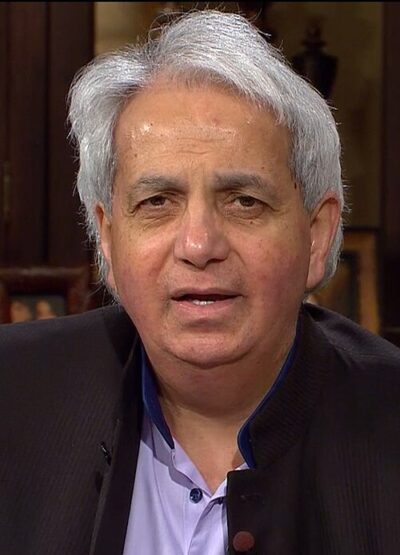
Benny Hinn
Benny Hinn is an American-Canadian evangelist. Born December 3, 1952, in Jaffa. Educated at Georges Vanier Secondary School.
Facts
13 facts · 1 confirmed by two sources · 5 cited · 7 from one source
Where this comes from
Papalocal keeps its own record. It started from these sources; what each one said is kept here as it was copied, so a change on their side never changes this page by itself. Tap one to read its version.
What Wikidata says · copied November 15, 2026 · revision 2567269939
- Described as
- American-Canadian evangelist
- Other names
- Toufik Benedictus Hinn
- Born
- December 3, 1952
- Born in
- Jaffa · 1 reference
- Name at birth
- Toufik Benedictus Hinn
- Citizen of
- United States; Israel
- Occupation
- television presenter; writer · 1 reference; televangelist; television staff · 1 reference; Charismatic Movement · 1 reference; preacher · 1 reference
- Education
- Georges Vanier Secondary School
- Website
- http://www.bennyhinn.org/
- Wikipedias with a page
- 29
Wikidata item Q377841 (wikidata.org/wiki/Q377841), public domain (CC0). Copied November 15, 2026.
What Wikipedia says · copied November 15, 2026 · revision 1384864138
Toufik Benedictus "Benny" Hinn (born 3 December 1952) is an Israeli-born American-Canadian televangelist associated with charismatic Christianity. He is known for his regular "Miracle Crusades", which are faith-healing events held in large venues and broadcast internationally through his television ministry.
He is also known for hosting the "This is your day" TV program.
Hinn's ministry has been criticized over its faith healing claims and financial practices. His ministry was among six televangelist organizations examined by the United States Senate Committee on Finance beginning in 2007.
- Born, in its opening lines
- December 3, 1952
From the Wikipedia article “Benny Hinn” (en.wikipedia.org/wiki/Benny_Hinn), by its contributors, under CC BY-SA 4.0 (creativecommons.org/licenses/by-sa/4.0/). Copied November 15, 2026; not changed.
Confirmed Two sources agree. Cited One source, and it names where it got it. One source One source, without a reference of its own. Sources disagree The sources disagree. We show the best-supported value and keep theirs below.
