
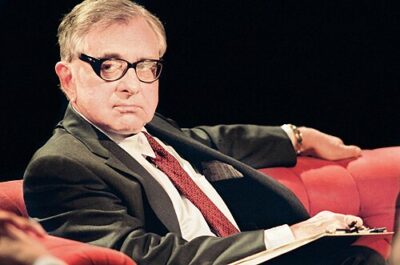
Bernard Nathanson
Bernard Nathanson was an American physician, abortion rights activist and writer. Born July 31, 1926, in New York City. Died February 21, 2011, in New York City. Educated at McGill University.
Facts
11 facts · 2 confirmed by two sources · 1 cited · 8 from one source
Where this comes from
Papalocal keeps its own record. It started from these sources; what each one said is kept here as it was copied, so a change on their side never changes this page by itself. Tap one to read its version.
What Wikidata says · copied November 16, 2026 · revision 2529315268
- Described as
- American physician, abortion rights activist and writer (1926–2011)
- Born
- July 31, 1926 · 1 reference
- Died
- February 21, 2011 · 2 references
- Born in
- New York City
- Died in
- New York City
- Cause of death
- cancer
- Citizen of
- United States · 1 reference
- Occupation
- physician; writer; gynecologist
- Education
- McGill University
- Religion
- Roman Catholic
- Wikipedias with a page
- 21
Wikidata item Q822641 (wikidata.org/wiki/Q822641), public domain (CC0). Copied November 16, 2026.
What Wikipedia says · copied November 16, 2026 · revision 1382310384
Bernard N. Nathanson (July 31, 1926 – February 21, 2011) was an American physician, abortion rights advocate turned anti-abortion activist, and a prominent figure in the abortion debate in the United States. He was originally a co-founder in 1969 of the National Association for the Repeal of Abortion Laws (NARAL), later renamed National Abortion Rights Action League and the former director of New York City's Center for Reproductive and Sexual Health. He was the narrator for the controversial 1984 anti-abortion film The Silent Scream.
- Born, in its opening lines
- July 31, 1926
- Died, in its opening lines
- February 21, 2011
From the Wikipedia article “Bernard Nathanson” (en.wikipedia.org/wiki/Bernard_Nathanson), by its contributors, under CC BY-SA 4.0 (creativecommons.org/licenses/by-sa/4.0/). Copied November 16, 2026; not changed.
Confirmed Two sources agree. Cited One source, and it names where it got it. One source One source, without a reference of its own. Sources disagree The sources disagree. We show the best-supported value and keep theirs below.
