
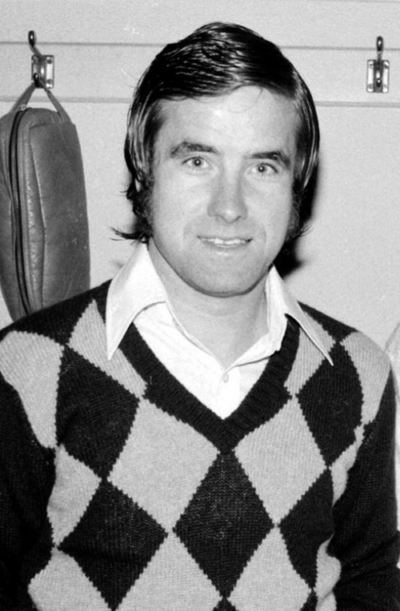
Bernd Patzke is a German footballer. Born March 14, 1943, in Berlin. Teams include Hertha BSC (1969–1971), Hellenic F.C. (1972–1973) and Durban City F.C.. Awards include Silbernes Lorbeerblatt.
Facts
16 facts · 1 confirmed by two sources · 1 cited · 14 from one source
Where this comes from
Papalocal keeps its own record. It started from these sources; what each one said is kept here as it was copied, so a change on their side never changes this page by itself. Tap one to read its version.
What Wikidata says · copied November 18, 2026 · revision 2562678668
- Described as
- German footballer
- Born
- March 14, 1943 · 1 reference
- Born in
- Berlin
- Citizen of
- Germany
- Occupation
- association football player; association football coach · 1 reference
- Teams
- Hertha BSC (1969–1971); Hellenic F.C. (1972–1973); Durban City F.C.; Standard Liège (1962–1964); TSV 1860 München (2 times) (1964–1974); Germany men's national association football team (1965–1971); Thanda Royal Zulu F.C. (1972–1973); Minerva Berlin (1962); Germany national amateur football team (1962)
- Sport
- association football
- Awards
- Silbernes Lorbeerblatt
- Wikipedias with a page
- 21
Wikidata item Q658070 (wikidata.org/wiki/Q658070), public domain (CC0). Copied November 18, 2026.
What Wikipedia says · copied November 18, 2026 · revision 1381847639
Bernd Patzke (born 14 March 1943) is a German former football player and manager.
The defender was twice a squad member of the West Germany national team for FIFA World Cup tournaments: 1966 in England and 1970 in Mexico. Altogether he won 24 caps between 1965 and 1971.
Patzke was implicated in the 1971 Bundesliga scandal after which he played in the National Football League (South Africa).
- Born, in its opening lines
- March 14, 1943
From the Wikipedia article “Bernd Patzke” (en.wikipedia.org/wiki/Bernd_Patzke), by its contributors, under CC BY-SA 4.0 (creativecommons.org/licenses/by-sa/4.0/). Copied November 18, 2026; not changed.
Confirmed Two sources agree. Cited One source, and it names where it got it. One source One source, without a reference of its own. Sources disagree The sources disagree. We show the best-supported value and keep theirs below.
