
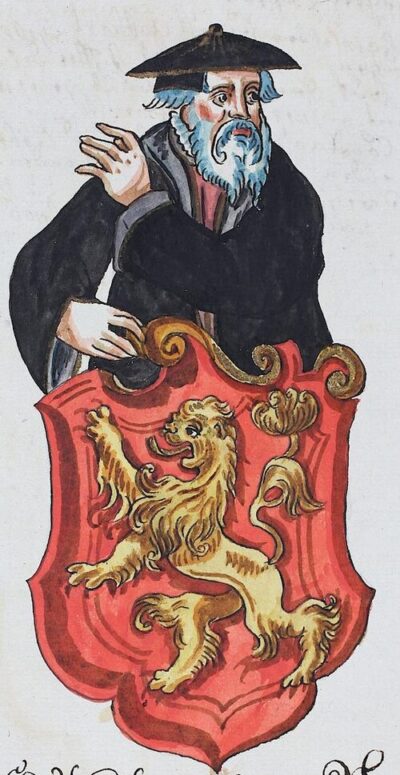
Berthold II, Duke of Swabia was a Duke of Swabia. Born 1050. Died April 12, 1111. Positions held include Duke of Swabia (1092–1098).
Facts
17 facts · 2 confirmed by two sources · 5 cited · 10 from one source
Where this comes from
Papalocal keeps its own record. It started from these sources; what each one said is kept here as it was copied, so a change on their side never changes this page by itself. Tap one to read its version.
What Wikidata says · copied November 18, 2026 · revision 2564025586
- Described as
- Duke of Swabia
- Other names
- Berthold II von Thurgau, Berthold II, Duke of Zähringen
- Born
- 1050 · 1 reference
- Died
- April 12, 1111
- Buried in
- Abbey of Saint Peter in the Black Forest
- Occupation
- governor · 1 reference
- Positions held
- Duke of Swabia (1092–1098)
- Spouse
- Agnes von Rheinfelden · 1 reference
- Children
- Berthold III, Duke of Zähringen; Conrad I of Zähringen · 1 reference; Petrissa of Zähringen · 1 reference; Luitgard of Swabia; Agnes of Zähringen; Judith von Zähringen
- Father
- Berthold II, Duke of Carinthia · 1 reference
- Mother
- Richwara von Kärnten · 1 reference
- Siblings
- Liutgard von Zähringen; Gebhard (III) of Constance; Herman I, Margrave of Baden
- Wikipedias with a page
- 21
Wikidata item Q650325 (wikidata.org/wiki/Q650325), public domain (CC0). Copied November 18, 2026.
What Wikipedia says · copied November 18, 2026 · revision 1371028315
Berthold II (c. 1050 – 12 April 1111), also known as Berchtold II, was the Duke of Swabia from 1092 to 1098.
After he conceded the Duchy of Swabia to the Staufer in 1098, the title of "Duke of Zähringen" was created for him, in use from c. 1100 and continued by his successors until 1218.
- Born, in its opening lines
- c. 1050
- Died, in its opening lines
- April 12, 1111
From the Wikipedia article “Berthold II of Swabia” (en.wikipedia.org/wiki/Berthold_II_of_Swabia), by its contributors, under CC BY-SA 4.0 (creativecommons.org/licenses/by-sa/4.0/). Copied November 18, 2026; not changed.
Confirmed Two sources agree. Cited One source, and it names where it got it. One source One source, without a reference of its own. Sources disagree The sources disagree. We show the best-supported value and keep theirs below.
