
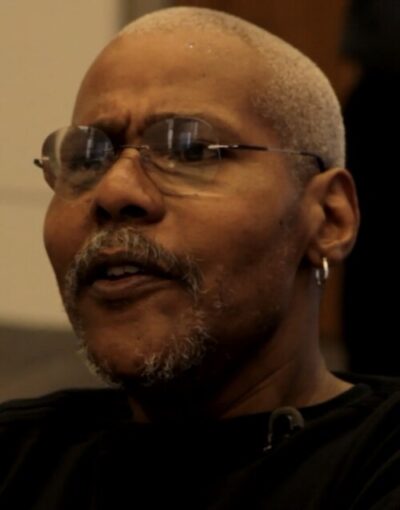
Bill Nunn
Bill Nunn was an American actor. Born October 20, 1953, in Pittsburgh. Died September 24, 2016, in Pittsburgh. Educated at Morehouse College and Schenley High School.
Facts
13 facts · 2 confirmed by two sources · 3 cited · 8 from one source
What’s different
- Born: we show October 20, 1953 (Confirmed). Wikidata also lists October 20, 1952
Where this comes from
Papalocal keeps its own record. It started from these sources; what each one said is kept here as it was copied, so a change on their side never changes this page by itself. Tap one to read its version.
What Wikidata says · copied November 16, 2026 · revision 2566768699
- Described as
- American actor (1953–2016)
- Other names
- William Goldwyn Nunn III
- Born
- October 20, 1953 · 2 references; October 20, 1952 · 1 reference
- Died
- September 24, 2016 · 2 references
- Born in
- Pittsburgh · 1 reference
- Died in
- Pittsburgh · 1 reference
- Cause of death
- leukemia
- Name at birth
- William Goldwyn Nunn III
- Citizen of
- United States
- Occupation
- stage actor; film actor; television actor; actor · 2 references
- Education
- Morehouse College; Schenley High School · 2 references
- Wikipedias with a page
- 21
Wikidata item Q279834 (wikidata.org/wiki/Q279834), public domain (CC0). Copied November 16, 2026.
What Wikipedia says · copied November 16, 2026 · revision 1383945762
William Goldwyn Nunn III (October 20, 1953 – September 24, 2016) was an American actor. He was known for his collaborations with director Spike Lee, notably as Radio Raheem in Do the Right Thing (1989). He also portrayed Daily Bugle editor Robbie Robertson in the Sam Raimi Spider-Man film trilogy (2002–07), and co-starred in the sitcoms The Job (2001–02) and Sirens (2014–15).
- Born, in its opening lines
- October 20, 1953
- Died, in its opening lines
- September 24, 2016
From the Wikipedia article “Bill Nunn” (en.wikipedia.org/wiki/Bill_Nunn), by its contributors, under CC BY-SA 4.0 (creativecommons.org/licenses/by-sa/4.0/). Copied November 16, 2026; not changed.
Confirmed Two sources agree. Cited One source, and it names where it got it. One source One source, without a reference of its own. Sources disagree The sources disagree. We show the best-supported value and keep theirs below.
