
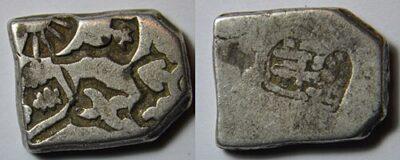
Bindusara
Bindusara was a Mauryan Emperor. Born 320 BC, in Patna. Died 273 BC, in Patna. Positions held include Mauryan Emperor (-297–-273).
Facts
15 facts · 0 confirmed by two sources · 0 cited · 15 from one source
Where this comes from
Papalocal keeps its own record. It started from these sources; what each one said is kept here as it was copied, so a change on their side never changes this page by itself. Tap one to read its version.
What Wikidata says · copied November 16, 2026 · revision 2532503251
- Described as
- Mauryan Emperor
- Born
- 320 BC
- Died
- 273 BC
- Born in
- Patna · 1 reference
- Died in
- Patna · 1 reference
- Citizen of
- Maurya empire · 1 reference
- Occupation
- sovereign
- Positions held
- Mauryan Emperor (-297–-273)
- Spouse
- Subhadrangi · 1 reference
- Children
- Ashoka; Vitashoka; Susima; Vitashok
- Father
- Chandragupta Maurya
- Mother
- Durdhara
- Religion
- Ājīvika
- Wikipedias with a page
- 54
Wikidata item Q315526 (wikidata.org/wiki/Q315526), public domain (CC0). Copied November 16, 2026.
What Wikipedia says · copied November 16, 2026 · revision 1378656011
Bindusara (r. c. 297 – c. 273 BCE) was the second Mauryan emperor of Magadha in ancient India. The ancient Greco-Roman writers called him Amitrochates, a name likely derived from his Sanskrit title Amitraghāta ("slayer of enemies").
Bindusara was the son of the dynasty's founder Chandragupta and the father of its most famous ruler Ashoka. His life is not documented as well as the lives of these two emperors. Much of the information about him comes from legendary accounts written several hundred years after his death. Bindusara consolidated the empire created by his father.
The 16th century Tibetan Buddhist author Taranatha credits his administration with extensive territorial conquests in southern India, but some historians doubt the historical authenticity of this claim.
From the Wikipedia article “Bindusara” (en.wikipedia.org/wiki/Bindusara), by its contributors, under CC BY-SA 4.0 (creativecommons.org/licenses/by-sa/4.0/). Copied November 16, 2026; not changed.
Confirmed Two sources agree. Cited One source, and it names where it got it. One source One source, without a reference of its own. Sources disagree The sources disagree. We show the best-supported value and keep theirs below.
