
Brian Hyland
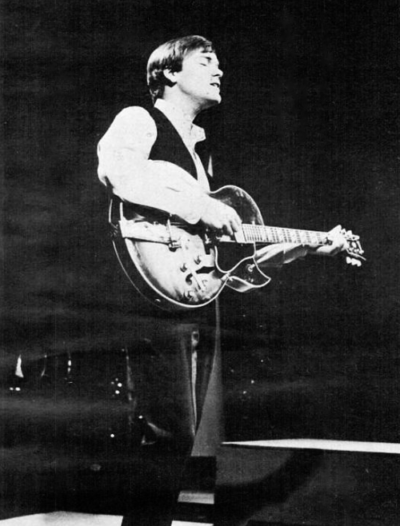
Brian Hyland is an American pop singer. Born November 12, 1943, in Woodhaven.
Facts
12 facts · 1 confirmed by two sources · 1 cited · 10 from one source
Where this comes from
Papalocal keeps its own record. It started from these sources; what each one said is kept here as it was copied, so a change on their side never changes this page by itself. Tap one to read its version.
What Wikidata says · copied November 16, 2026 · revision 2563858692
- Described as
- American pop singer
- Born
- November 12, 1943 · 1 reference
- Born in
- Woodhaven · 1 reference
- Citizen of
- United States
- Occupation
- singer; guitarist · 1 reference
- Genre
- pop music; country music · 1 reference
- Instrument
- voice
- Record label
- Kapp Records; ABC Records; Dot Records
- Website
- http://www.brianhyland.com/
- Wikipedias with a page
- 23
Wikidata item Q912394 (wikidata.org/wiki/Q912394), public domain (CC0). Copied November 16, 2026.
What Wikipedia says · copied November 16, 2026 · revision 1378063982
Brian Hyland (born November 12, 1943) is an American pop singer and instrumentalist who was particularly successful during the early 1960s. He had a No. 1 hit on the Billboard Hot 100 with "Itsy Bitsy Teenie Weenie Yellow Polkadot Bikini" in 1960. Other hits include "Sealed with a Kiss" and "Gypsy Woman", which both reached No. 3. Hyland continued recording into the 1970s. AllMusic journalist Jason Ankeny said: "Hyland's puppy-love pop virtually defined the sound and sensibility of bubblegum during the pre-Beatles era." Although his status as a teen idol faded, he went on to release several country-influenced albums and had additional chart hits later in his career.
- Born, in its opening lines
- November 12, 1943
From the Wikipedia article “Brian Hyland” (en.wikipedia.org/wiki/Brian_Hyland), by its contributors, under CC BY-SA 4.0 (creativecommons.org/licenses/by-sa/4.0/). Copied November 16, 2026; not changed.
Confirmed Two sources agree. Cited One source, and it names where it got it. One source One source, without a reference of its own. Sources disagree The sources disagree. We show the best-supported value and keep theirs below.
