
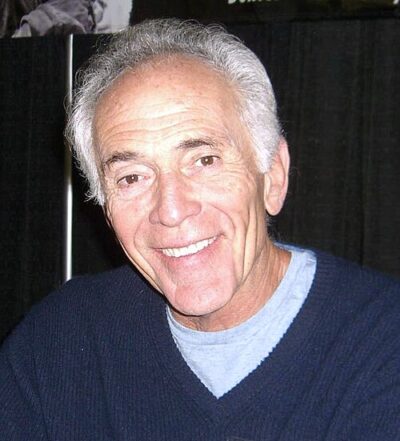
Bruce Weitz
Bruce Weitz is an American actor. Born May 27, 1943, in Norwalk. Positions held include mayor of a place in California. Educated at Ransom Everglades School. Awards include Primetime Emmy Award for Outstanding Supporting Actor in a Drama Series.
Facts
10 facts · 1 confirmed by two sources · 1 cited · 8 from one source
Where this comes from
Papalocal keeps its own record. It started from these sources; what each one said is kept here as it was copied, so a change on their side never changes this page by itself. Tap one to read its version.
What Wikidata says · copied November 16, 2026 · revision 2562732033
- Described as
- American actor
- Other names
- Bruce Peter Weitz
- Born
- May 27, 1943 · 1 reference
- Born in
- Norwalk
- Citizen of
- United States
- Occupation
- actor · 2 references; television actor; film actor · 1 reference
- Positions held
- mayor of a place in California
- Education
- Ransom Everglades School · 1 reference
- Awards
- Primetime Emmy Award for Outstanding Supporting Actor in a Drama Series (1984)
- Spouse
- Cecilia Hart (1971–1982)
- Wikipedias with a page
- 22
Wikidata item Q1278666 (wikidata.org/wiki/Q1278666), public domain (CC0). Copied November 16, 2026.
What Wikipedia says · copied November 16, 2026 · revision 1379895474
Bruce Peter Weitz (born May 27, 1943) is an American actor, best known for his role as Sgt. Michael "Mick" Belker in the TV series Hill Street Blues, which ran from 1981 until 1987. For his role in the series, he received six nominations for Emmy Awards and two for Golden Globe Awards, winning the 1984 Emmy for Outstanding Supporting Actor in a Drama Series. He is also known for playing Stuart Caley, MSNBC boss, in Deep Impact.
- Born, in its opening lines
- May 27, 1943
From the Wikipedia article “Bruce Weitz” (en.wikipedia.org/wiki/Bruce_Weitz), by its contributors, under CC BY-SA 4.0 (creativecommons.org/licenses/by-sa/4.0/). Copied November 16, 2026; not changed.
Confirmed Two sources agree. Cited One source, and it names where it got it. One source One source, without a reference of its own. Sources disagree The sources disagree. We show the best-supported value and keep theirs below.
