
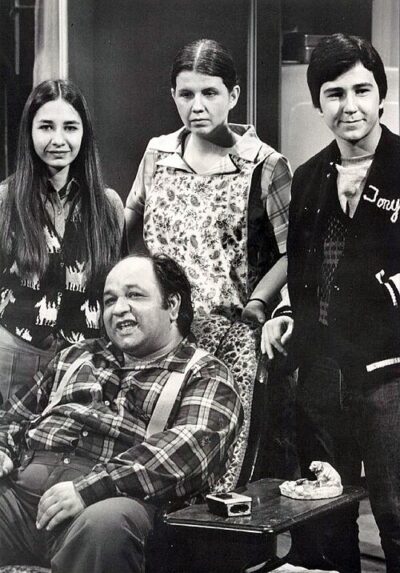
Bruno Kirby
Bruno Kirby was an American actor. Born April 28, 1949, in New York City. Died August 14, 2006, in Los Angeles. Educated at Kent State University and Power Memorial Academy.
Facts
14 facts · 2 confirmed by two sources · 5 cited · 6 from one source · 1 where the sources disagree
What’s different
- Cause of death: we show leukemia (Sources disagree). Wikidata also lists multiple organ dysfunction syndrome
Where this comes from
Papalocal keeps its own record. It started from these sources; what each one said is kept here as it was copied, so a change on their side never changes this page by itself. Tap one to read its version.
What Wikidata says · copied November 13, 2026 · revision 2567153625
- Described as
- American actor (1949–2006)
- Born
- April 28, 1949 · 6 references
- Died
- August 14, 2006 · 7 references
- Born in
- New York City · 1 reference
- Died in
- Los Angeles · 1 reference
- Cause of death
- leukemia; multiple organ dysfunction syndrome
- Citizen of
- United States
- Occupation
- television actor; film actor · 1 reference; comedian; actor · 1 reference
- Education
- Kent State University; Power Memorial Academy · 1 reference
- Field
- acting · 1 reference
- Father
- Bruce Kirby
- Wikipedias with a page
- 41
Wikidata item Q517379 (wikidata.org/wiki/Q517379), public domain (CC0). Copied November 13, 2026.
What Wikipedia says · copied November 13, 2026 · revision 1385154585
Bruno Kirby (born Bruno Giovanni Quidaciolu Jr.; April 28, 1949 – August 14, 2006) was an American actor. He was best known for his roles in: City Slickers, When Harry Met Sally..., Good Morning, Vietnam, The Godfather Part II, The Freshman, Sleepers, Donnie Brasco and This Is Spinal Tap. He voiced Reginald Stout in Stuart Little.
- Born, in its opening lines
- April 28, 1949
- Died, in its opening lines
- August 14, 2006
From the Wikipedia article “Bruno Kirby” (en.wikipedia.org/wiki/Bruno_Kirby), by its contributors, under CC BY-SA 4.0 (creativecommons.org/licenses/by-sa/4.0/). Copied November 13, 2026; not changed.
Confirmed Two sources agree. Cited One source, and it names where it got it. One source One source, without a reference of its own. Sources disagree The sources disagree. We show the best-supported value and keep theirs below.
