
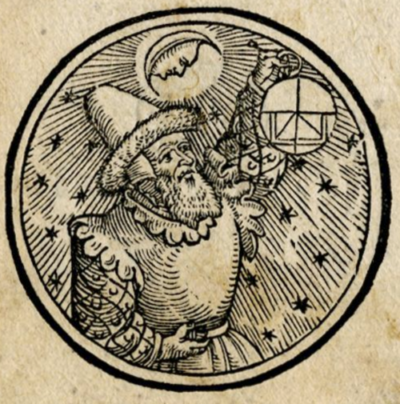
Campanus of Novara
Campanus of Novara was an Italian mathematician and astronomer (*~1210 – †1296). Born 1220, in Novara. Died September 13, 1296, in Viterbo.
Facts
13 facts · 2 confirmed by two sources · 7 cited · 4 from one source
Where this comes from
Papalocal keeps its own record. It started from these sources; what each one said is kept here as it was copied, so a change on their side never changes this page by itself. Tap one to read its version.
What Wikidata says · copied November 18, 2026 · revision 2564782370
- Described as
- Italian mathematician and astronomer (*~1210 – †1296)
- Other names
- Campano da Novara, Johannes Campanus
- Born
- 1220 · 4 references
- Died
- September 13, 1296 · 1 reference
- Born in
- Novara · 1 reference
- Died in
- Viterbo · 1 reference
- Occupation
- astronomer · 1 reference; mathematician · 1 reference; astrologer; writer · 1 reference; translator · 1 reference; physician · 1 reference
- Field
- mathematics · 1 reference; astronomy · 1 reference; astrology · 1 reference
- Wikipedias with a page
- 20
Wikidata item Q560868 (wikidata.org/wiki/Q560868), public domain (CC0). Copied November 18, 2026.
What Wikipedia says · copied November 18, 2026 · revision 1385561493
Campanus of Novara (c. 1220 – 1296) was an Italian mathematician, astronomer, astrologer, and physician who is best known for his work on Euclid's Elements. In his writings he refers to himself as Campanus Nouariensis; contemporary documents refer to him as Magister Campanus; and the full style of his name is Magister Campanus Nouariensis. He is also referred to as Campano da Novara, Giovanni Campano or similar. Later authors (from the 16th century on) sometimes applied the forename Johannes Campanus or Iohannes Campanus.
His date of birth is uncertain but may have been as early as the first decade of the 13th century and the place of birth was probably Novara in Piedmont. He served as chaplain to Pope Urban IV, Pope Adrian V, Pope Nicholas IV, and Pope Boniface VIII. His contemporary Roger Bacon cited Campanus as one of the two "good" (but not "perfect") mathematicians indicating that Bacon considered Campanus as excellent or one of the greatest mathematicians of their time. A number of benefices were conferred upon him, and he was relatively wealthy at the time of his death. He died at Viterbo in 1296. The crater Campanus on the Moon is named after him.
- Born, in its opening lines
- 1220
- Died, in its opening lines
- 1296
From the Wikipedia article “Campanus of Novara” (en.wikipedia.org/wiki/Campanus_of_Novara), by its contributors, under CC BY-SA 4.0 (creativecommons.org/licenses/by-sa/4.0/). Copied November 18, 2026; not changed.
Confirmed Two sources agree. Cited One source, and it names where it got it. One source One source, without a reference of its own. Sources disagree The sources disagree. We show the best-supported value and keep theirs below.
