
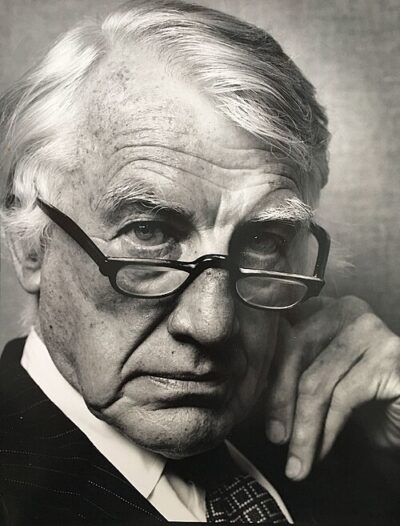
Charles Edward Pratt
Charles Edward Pratt was a Canadian rower and architect. Born July 15, 1911, in Boston. Died February 24, 1996, in Vancouver. Educated at University of British Columbia Vancouver.
Facts
9 facts · 2 confirmed by two sources · 5 cited · 2 from one source
Where this comes from
Papalocal keeps its own record. It started from these sources; what each one said is kept here as it was copied, so a change on their side never changes this page by itself. Tap one to read its version.
What Wikidata says · copied November 18, 2026 · revision 2529102601
- Described as
- Canadian rower and architect (1911–1996)
- Other names
- Charles E. Pratt, Ned Pratt, Charles Pratt, C. E. Pratt
- Born
- July 15, 1911 · 3 references
- Died
- February 24, 1996 · 1 reference
- Born in
- Boston · 1 reference
- Died in
- Vancouver · 1 reference
- Citizen of
- Canada · 1 reference
- Occupation
- rower · 1 reference; architect · 1 reference
- Education
- University of British Columbia Vancouver
- Sport
- rowing
- Wikipedias with a page
- 14
Wikidata item Q5081739 (wikidata.org/wiki/Q5081739), public domain (CC0). Copied November 18, 2026.
What Wikipedia says · copied November 18, 2026 · revision 1288457028
Charles Edward "Ned" Pratt (15 July 1911 – 24 February 1996) was an American-Canadian oarsman and architect. Pratt competed in the 1932 Summer Olympics in Los Angeles where he won a bronze medal in double sculls. In 1939 he joined the Vancouver architectural firm Sharp and Thompson, where he remained for the duration of his career. During his career he played an important role in bringing modern architecture to the Canadian west coast.
- Born, in its opening lines
- July 15, 1911
- Died, in its opening lines
- February 24, 1996
From the Wikipedia article “Charles Edward Pratt” (en.wikipedia.org/wiki/Charles_Edward_Pratt), by its contributors, under CC BY-SA 4.0 (creativecommons.org/licenses/by-sa/4.0/). Copied November 18, 2026; not changed.
Confirmed Two sources agree. Cited One source, and it names where it got it. One source One source, without a reference of its own. Sources disagree The sources disagree. We show the best-supported value and keep theirs below.
