
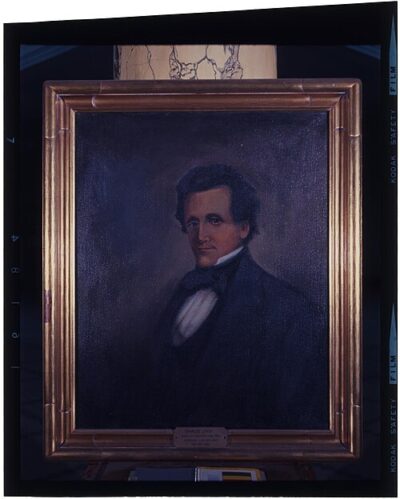
Charles Lynch was an American politician. Born 1736, in Colony of Virginia. Died October 29, 1796, in Pittsylvania County. Positions held include member of the State Senate of Virginia (1784–1789), municipal executive (1769–1778) and member of the Virginia House of Burgesses.
Facts
14 facts · 2 confirmed by two sources · 1 cited · 11 from one source
Where this comes from
Papalocal keeps its own record. It started from these sources; what each one said is kept here as it was copied, so a change on their side never changes this page by itself. Tap one to read its version.
What Wikidata says · copied November 18, 2026 · revision 2517540400
- Described as
- American politician (1736-1796)
- Born
- 1736 · 1 reference
- Died
- October 29, 1796 · 1 reference
- Born in
- Colony of Virginia
- Died in
- Pittsylvania County
- Citizen of
- United States
- Occupation
- lawyer; politician; judge; land owner
- Positions held
- member of the State Senate of Virginia (1784–1789); municipal executive (1769–1778); member of the Virginia House of Burgesses
- Siblings
- John Lynch
- Religion
- Quakers · 1 reference
- Wikipedias with a page
- 15
Wikidata item Q507233 (wikidata.org/wiki/Q507233), public domain (CC0). Copied November 18, 2026.
What Wikipedia says · copied November 18, 2026 · revision 1382418965
Charles Lynch (1736 – 1796) was an American planter, politician, military officer and judge from Central Virginia. The terms "lynching" and "lynch law" are likely derived from Colonel Lynch's efforts to suppress various Loyalist conspiracies on the Virginia frontier during the Revolution, although as practiced by Lynch, the practice referred to a whipping, and not an execution. Lynch himself would help to free five enslaved individuals through deeds of manumission in 1792 and 1793.
- Born, in its opening lines
- 1736
- Died, in its opening lines
- 1796
From the Wikipedia article “Charles Lynch (judge)” (en.wikipedia.org/wiki/Charles_Lynch_(judge)), by its contributors, under CC BY-SA 4.0 (creativecommons.org/licenses/by-sa/4.0/). Copied November 18, 2026; not changed.
Confirmed Two sources agree. Cited One source, and it names where it got it. One source One source, without a reference of its own. Sources disagree The sources disagree. We show the best-supported value and keep theirs below.
