
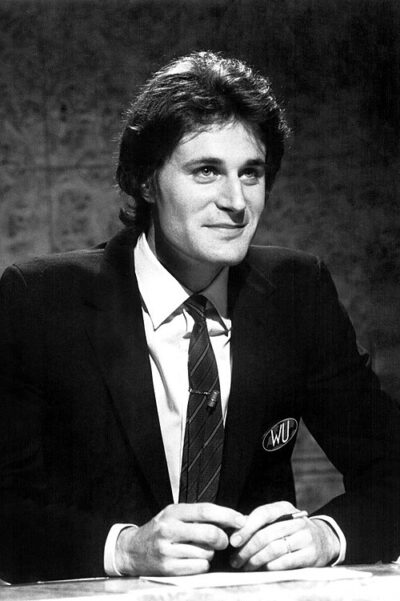
Charles Rocket
Charles Rocket was an American actor, comedian. Born August 24, 1949, in Bangor. Died October 7, 2005, in Canterbury. Educated at Rhode Island School of Design and Winnacunnet High School.
Facts
13 facts · 1 confirmed by two sources · 0 cited · 11 from one source · 1 where the sources disagree
What’s different
- Born: we show August 24, 1949 (Sources disagree). Wikipedia says August 28, 1949
Where this comes from
Papalocal keeps its own record. It started from these sources; what each one said is kept here as it was copied, so a change on their side never changes this page by itself. Tap one to read its version.
What Wikidata says · copied November 16, 2026 · revision 2539228345
- Described as
- American actor, comedian (1949-2005)
- Other names
- Charles Adams Claverie, Charlie Hamburger, Charlie Kennedy
- Born
- August 24, 1949 · 1 reference
- Died
- October 7, 2005 · 3 references
- Born in
- Bangor
- Died in
- Canterbury
- Cause of death
- shock
- Name at birth
- Charles Adams Claverie
- Citizen of
- United States
- Occupation
- journalist; television actor; film actor; voice actor
- Education
- Rhode Island School of Design; Winnacunnet High School
- Wikipedias with a page
- 20
Wikidata item Q325082 (wikidata.org/wiki/Q325082), public domain (CC0). Copied November 16, 2026.
What Wikipedia says · copied November 16, 2026 · revision 1383999547
Charles Adams Claverie (August 28, 1949 – October 7, 2005), known by stage names Charlie Hamburger, Charlie Kennedy, and Charles Rocket, was an American actor. He was a cast member on Saturday Night Live, played the villain Nicholas Andre in the film Dumb and Dumber, and played Dave Dennison in Disney's Hocus Pocus.
- Born, in its opening lines
- August 28, 1949
- Died, in its opening lines
- October 7, 2005
From the Wikipedia article “Charles Rocket” (en.wikipedia.org/wiki/Charles_Rocket), by its contributors, under CC BY-SA 4.0 (creativecommons.org/licenses/by-sa/4.0/). Copied November 16, 2026; not changed.
Confirmed Two sources agree. Cited One source, and it names where it got it. One source One source, without a reference of its own. Sources disagree The sources disagree. We show the best-supported value and keep theirs below.
