
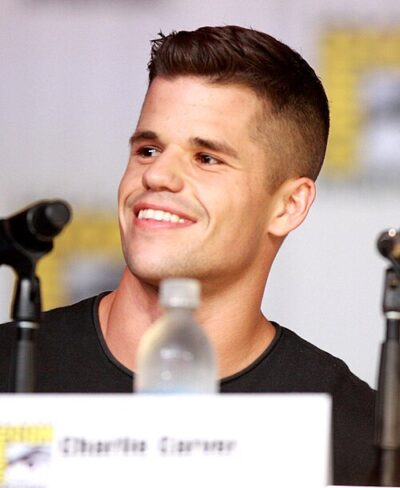
Charlie Carver
Charlie Carver is an American actor. Born July 31, 1988, in San Francisco. Educated at University of Southern California and Interlochen Center for the Arts.
Facts
13 facts · 1 confirmed by two sources · 2 cited · 10 from one source
Where this comes from
Papalocal keeps its own record. It started from these sources; what each one said is kept here as it was copied, so a change on their side never changes this page by itself. Tap one to read its version.
What Wikidata says · copied November 15, 2026 · revision 2552548185
- Described as
- American actor
- Other names
- Charles Carver Martensen
- Born
- July 31, 1988 · 1 reference
- Born in
- San Francisco · 1 reference
- Name at birth
- Charles Carver Martensen
- Citizen of
- United States
- Occupation
- film actor; television actor; stage actor · 1 reference; actor · 1 reference
- Education
- University of Southern California; Interlochen Center for the Arts
- Father
- Robert Martensen
- Siblings
- Max Carver
- Website
- http://carvertwins.com/
- Wikipedias with a page
- 33
Wikidata item Q454029 (wikidata.org/wiki/Q454029), public domain (CC0). Copied November 15, 2026.
What Wikipedia says · copied November 15, 2026 · revision 1379604818
Charles Carver Martensen (born July 31, 1988) is an American actor and writer. His better known roles include Porter Scavo on the ABC television series Desperate Housewives (2008–2012), Ethan on the MTV television series Teen Wolf (2013–2014, 2017), Scott Frost on the first season of the HBO television series The Leftovers (2014), and as Cowboy in both The Boys in the Band on Broadway and the subsequent 2020 film of the same name. His identical twin brother Max Carver has frequently portrayed the twin of his characters.
- Born, in its opening lines
- July 31, 1988
From the Wikipedia article “Charlie Carver” (en.wikipedia.org/wiki/Charlie_Carver), by its contributors, under CC BY-SA 4.0 (creativecommons.org/licenses/by-sa/4.0/). Copied November 15, 2026; not changed.
Confirmed Two sources agree. Cited One source, and it names where it got it. One source One source, without a reference of its own. Sources disagree The sources disagree. We show the best-supported value and keep theirs below.
