
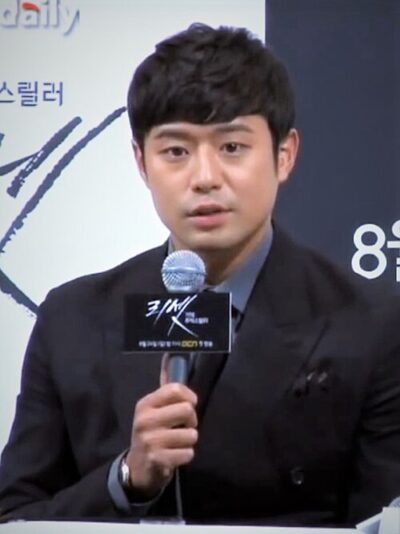
Chun Jung-myung
Chun Jung-myung is a South Korean actor. Born November 29, 1980, in Seoul. Educated at Sangji University.
Facts
7 facts · 1 confirmed by two sources · 0 cited · 6 from one source
Where this comes from
Papalocal keeps its own record. It started from these sources; what each one said is kept here as it was copied, so a change on their side never changes this page by itself. Tap one to read its version.
What Wikidata says · copied November 16, 2026 · revision 2554238950
- Described as
- South Korean actor
- Other names
- Chun Jeong-myoung
- Born
- November 29, 1980 · 1 reference
- Born in
- Seoul
- Citizen of
- South Korea
- Occupation
- actor; film actor; television actor
- Education
- Sangji University
- Wikipedias with a page
- 57
Wikidata item Q484942 (wikidata.org/wiki/Q484942), public domain (CC0). Copied November 16, 2026.
What Wikipedia says · copied November 16, 2026 · revision 1383774969
Chun Jung-myung (Korean: 천정명, born November 29, 1980) is a South Korean actor. Chun made his break into the entertainment industry in the KBS teen drama School 2 (1999). He is best known for his leading roles in TV dramas such as Fashion 70's (2005), Goodbye Solo (2006), What's Up Fox? (2006), Cinderella's Sister (2010), The Duo, Glory Jane (2011), Reset (2014), Heart to Heart (2015), and The Master of Revenge (2016).
He also starred in the films The Aggressives (2005), Les Formidables (2006), Hansel and Gretel (2007), and Queen of the Night (2013).
Chun started his own management company in 2011. Since the early 2010's, Chun has trained Brazilian Jiu Jitsu and is a purple belt under John Frankl. In his Instagram post last June 2022, the actor shared that he has attained the black belt in Jiu Jitsu, after 11 years of hardwork.
- Born, in its opening lines
- November 29, 1980
From the Wikipedia article “Chun Jung-myung” (en.wikipedia.org/wiki/Chun_Jung-myung), by its contributors, under CC BY-SA 4.0 (creativecommons.org/licenses/by-sa/4.0/). Copied November 16, 2026; not changed.
Confirmed Two sources agree. Cited One source, and it names where it got it. One source One source, without a reference of its own. Sources disagree The sources disagree. We show the best-supported value and keep theirs below.
