
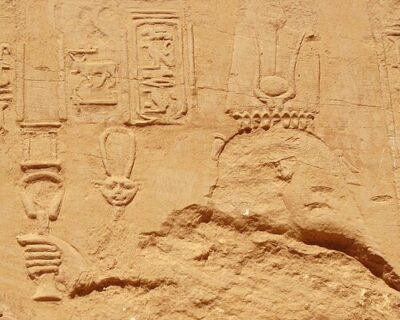
Cleopatra I Syra
Cleopatra I Syra was a queen of Ptolemaic Egypt. Born 204 BC. Died 178 BC.
Facts
14 facts · 0 confirmed by two sources · 0 cited · 12 from one source · 2 where the sources disagree
What’s different
- Born: we show 204 BC (Sources disagree). Wikipedia says 204
- Died: we show 178 BC (Sources disagree). Wikidata also lists 176 BC and 177 BC
Where this comes from
Papalocal keeps its own record. It started from these sources; what each one said is kept here as it was copied, so a change on their side never changes this page by itself. Tap one to read its version.
What Wikidata says · copied November 16, 2026 · revision 2569078977
- Described as
- queen of Ptolemaic Egypt
- Born
- 204 BC
- Died
- 176 BC; 178 BC · 1 reference; 177 BC · 1 reference
- Occupation
- queen regnant
- Spouse
- Ptolemy V Epiphanes
- Children
- Ptolemy VI; Cleopatra II of Egypt; Ptolemy VIII Physcon
- Father
- Antiochus III the Great
- Mother
- Laodice III
- Siblings
- Laodice IV; Seleucus IV Philopator; Antiochus IV Epiphanes; Antiochis · 1 reference; Antiochus · 1 reference
- Wikipedias with a page
- 51
Wikidata item Q40252 (wikidata.org/wiki/Q40252), public domain (CC0). Copied November 16, 2026.
What Wikipedia says · copied November 16, 2026 · revision 1381412323
Cleopatra Thea Epiphanes Syra (Greek: Κλεοπάτρα ἡ Σύρα; c. 204 – 176 BC), well known as Cleopatra I or Cleopatra Syra, was a princess of the Seleucid Empire, Queen of Ptolemaic Egypt by marriage to Ptolemy V of Egypt from 193 BC, and regent of Egypt during the minority of their son, Ptolemy VI, from her husband's death in 180 BC until her own death in 176 BC. She is sometimes viewed as co-ruler to her husband and son; however, evidence is conflicting.
- Born, in its opening lines
- 204
- Died, in its opening lines
- 176
From the Wikipedia article “Cleopatra I Syra” (en.wikipedia.org/wiki/Cleopatra_I_Syra), by its contributors, under CC BY-SA 4.0 (creativecommons.org/licenses/by-sa/4.0/). Copied November 16, 2026; not changed.
Confirmed Two sources agree. Cited One source, and it names where it got it. One source One source, without a reference of its own. Sources disagree The sources disagree. We show the best-supported value and keep theirs below.
