
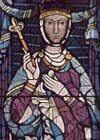
Countess Ermesinde II, Countess of Luxembourg
Countess Ermesinde II, Countess of Luxembourg was a Countess suo jure of Luxembourg. Born 1186. Died February 12, 1247. Positions held include regent and Count of Luxembourg (1197–1247).
Facts
15 facts · 2 confirmed by two sources · 8 cited · 5 from one source
Where this comes from
Papalocal keeps its own record. It started from these sources; what each one said is kept here as it was copied, so a change on their side never changes this page by itself. Tap one to read its version.
What Wikidata says · copied November 18, 2026 · revision 2570732492
- Described as
- Countess suo jure of Luxembourg (1186–1247)
- Born
- 1186 · 4 references
- Died
- February 12, 1247
- Buried in
- Clairefontaine Abbey
- Occupation
- aristocrat · 1 reference
- Positions held
- regent; Count of Luxembourg (1197–1247)
- Spouse
- Waleran III, Duke of Limburg (1214–) · 1 reference; Theobald I, Count of Bar (1197–) · 2 references
- Children
- Gerard I of Durbuy · 1 reference; Henry V, Count of Luxembourg · 1 reference; Catherine of Limburg · 1 reference; Marguerite of Bar · 1 reference; Elisabeth de Bar-Mousson · 1 reference
- Father
- Henry IV, Count of Luxembourg
- Mother
- Agnes of Guelders · 1 reference
- Wikipedias with a page
- 22
Wikidata item Q266160 (wikidata.org/wiki/Q266160), public domain (CC0). Copied November 18, 2026.
What Wikipedia says · copied November 18, 2026 · revision 1383945949
Ermesinde (July 1186 – 12 February 1247) ruled as the countess of Luxembourg from 1197 until her death. She was the only child of Count Henry IV and his second wife Agnes of Guelders.
- Born, in its opening lines
- July 1186
- Died, in its opening lines
- February 12, 1247
From the Wikipedia article “Ermesinde, Countess of Luxembourg” (en.wikipedia.org/wiki/Ermesinde,_Countess_of_Luxembourg), by its contributors, under CC BY-SA 4.0 (creativecommons.org/licenses/by-sa/4.0/). Copied November 18, 2026; not changed.
Confirmed Two sources agree. Cited One source, and it names where it got it. One source One source, without a reference of its own. Sources disagree The sources disagree. We show the best-supported value and keep theirs below.
