
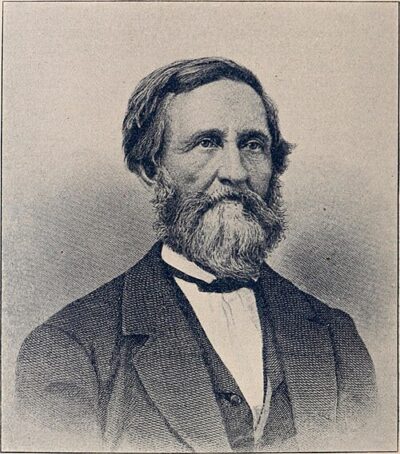
Crawford Williamson Long
Crawford Williamson Long was an American physician. Born November 1, 1815, in Danielsville. Died June 16, 1878, in Athens. Educated at Perelman School of Medicine at the University of Pennsylvania and University of Georgia.
Facts
14 facts · 2 confirmed by two sources · 3 cited · 9 from one source
What’s different
- Died: we show June 16, 1878 (Confirmed). Wikidata also lists June 19, 1878
Where this comes from
Papalocal keeps its own record. It started from these sources; what each one said is kept here as it was copied, so a change on their side never changes this page by itself. Tap one to read its version.
What Wikidata says · copied November 15, 2026 · revision 2528572297
- Described as
- American physician (1815–1878)
- Other names
- Crawford W. Long, Crawford Long
- Born
- November 1, 1815 · 5 references
- Died
- June 16, 1878 · 2 references; June 19, 1878 · 1 reference
- Born in
- Danielsville · 1 reference
- Died in
- Athens
- Buried in
- Oconee Hill Cemetery · 1 reference
- Cause of death
- stroke
- Citizen of
- United States
- Occupation
- physician; surgeon; pharmacist · 1 reference
- Education
- Perelman School of Medicine at the University of Pennsylvania (–1839) · 1 reference; University of Georgia
- Field
- medicine
- Children
- Frances Long Taylor · 1 reference
- Wikipedias with a page
- 28
Wikidata item Q248037 (wikidata.org/wiki/Q248037), public domain (CC0). Copied November 15, 2026.
What Wikipedia says · copied November 15, 2026 · revision 1371982742
Crawford Williamson Long (November 1, 1815 – June 16, 1878) was an American surgeon and pharmacist best known for his first use of inhaled sulfuric ether as an anesthetic.
- Born, in its opening lines
- November 1, 1815
- Died, in its opening lines
- June 16, 1878
From the Wikipedia article “Crawford Long” (en.wikipedia.org/wiki/Crawford_Long), by its contributors, under CC BY-SA 4.0 (creativecommons.org/licenses/by-sa/4.0/). Copied November 15, 2026; not changed.
Confirmed Two sources agree. Cited One source, and it names where it got it. One source One source, without a reference of its own. Sources disagree The sources disagree. We show the best-supported value and keep theirs below.
