
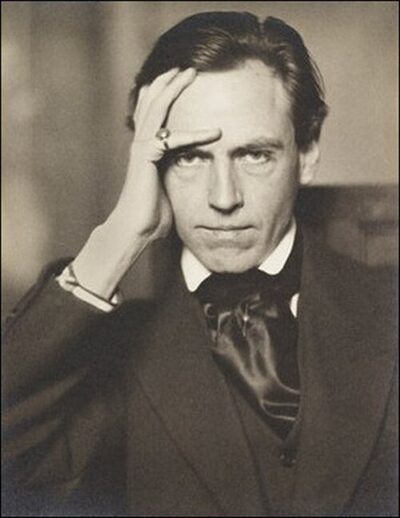
Cyril Scott
Cyril Scott was an English composer, writer, and poet. Born September 27, 1879, in Oxton. Died December 31, 1970, in Eastbourne. Educated at Hoch Conservatory.
Facts
18 facts · 2 confirmed by two sources · 7 cited · 9 from one source
Where this comes from
Papalocal keeps its own record. It started from these sources; what each one said is kept here as it was copied, so a change on their side never changes this page by itself. Tap one to read its version.
What Wikidata says · copied November 18, 2026 · revision 2557848246
- Described as
- English composer, writer, and poet (1879–1970)
- Other names
- Cyril Meir Scott
- Born
- September 27, 1879 · 9 references
- Died
- December 31, 1970 · 8 references
- Born in
- Oxton · 1 reference
- Died in
- Eastbourne · 2 references
- Citizen of
- United Kingdom · 1 reference
- Occupation
- composer · 1 reference; choreographer; pianist · 2 references; writer · 2 references; philosopher · 1 reference; poet · 1 reference; musician · 1 reference
- Education
- Hoch Conservatory
- Instrument
- piano
- Field
- opera; symphony; chamber music
- Spouse
- R. Allatini (1921–1939)
- Wikipedias with a page
- 21
Wikidata item Q367717 (wikidata.org/wiki/Q367717), public domain (CC0). Copied November 18, 2026.
What Wikipedia says · copied November 18, 2026 · revision 1383693640
Cyril Meir Scott (27 September 1879 – 31 December 1970) was an English composer, writer, poet, and occultist. He created around four hundred musical compositions including piano, violin, cello concertos, symphonies, and operas. He also wrote around 20 pamphlets and books on occult topics and natural health.
- Born, in its opening lines
- September 27, 1879
- Died, in its opening lines
- December 31, 1970
From the Wikipedia article “Cyril Scott” (en.wikipedia.org/wiki/Cyril_Scott), by its contributors, under CC BY-SA 4.0 (creativecommons.org/licenses/by-sa/4.0/). Copied November 18, 2026; not changed.
Confirmed Two sources agree. Cited One source, and it names where it got it. One source One source, without a reference of its own. Sources disagree The sources disagree. We show the best-supported value and keep theirs below.
