
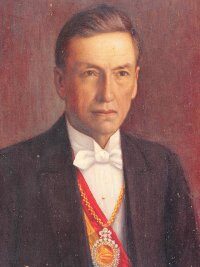
Daniel Salamanca Urey
Daniel Salamanca Urey was a President of Bolivia. Born July 8, 1869, in Cochabamba. Died July 17, 1935, in Cochabamba. Positions held include president of Bolivia (1931–1934) and Deputy of Bolivia.
Facts
13 facts · 2 confirmed by two sources · 0 cited · 11 from one source
Where this comes from
Papalocal keeps its own record. It started from these sources; what each one said is kept here as it was copied, so a change on their side never changes this page by itself. Tap one to read its version.
What Wikidata says · copied November 17, 2026 · revision 2558451809
- Described as
- President of Bolivia (1863-1935)
- Other names
- Daniel Domingo Salamanca Urey
- Born
- July 8, 1869 · 1 reference
- Died
- July 17, 1935
- Born in
- Cochabamba
- Died in
- Cochabamba
- Buried in
- Cochabamba Cemetery
- Cause of death
- stomach cancer
- Citizen of
- Bolivia
- Occupation
- politician; lawyer
- Positions held
- president of Bolivia (1931–1934); Deputy of Bolivia
- Political party
- Genuine Republican Party
- Spouse
- Sara Ugarte de Salamanca · 1 reference
- Wikipedias with a page
- 24
Wikidata item Q738270 (wikidata.org/wiki/Q738270), public domain (CC0). Copied November 17, 2026.
What Wikipedia says · copied November 17, 2026 · revision 1381852091
Daniel Domingo Salamanca Urey (8 July 1869 – 17 July 1935) was a Bolivian lawyer and politician who served as the 33rd president of Bolivia from 1931 to 1934.
He was overthrown in a coup d'état on 27 November 1934, during the country's disastrous Chaco War with Paraguay. Bolivian historians have referred to him as "El Hombre Símbolo" (the symbolic man), as a president who carefully cultivated an appearance of integrity and nationalism.
- Born, in its opening lines
- July 8, 1869
- Died, in its opening lines
- July 17, 1935
From the Wikipedia article “Daniel Salamanca” (en.wikipedia.org/wiki/Daniel_Salamanca), by its contributors, under CC BY-SA 4.0 (creativecommons.org/licenses/by-sa/4.0/). Copied November 17, 2026; not changed.
Confirmed Two sources agree. Cited One source, and it names where it got it. One source One source, without a reference of its own. Sources disagree The sources disagree. We show the best-supported value and keep theirs below.
