
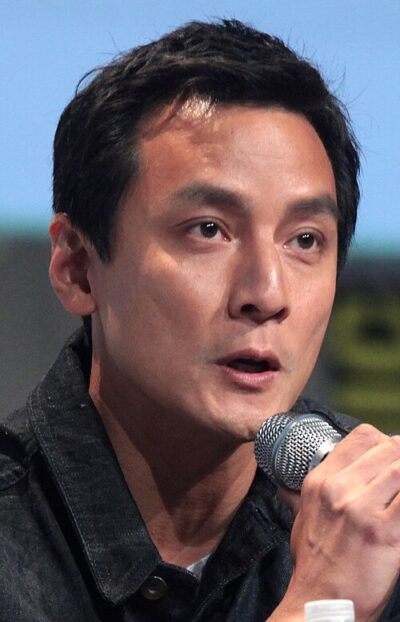
Daniel Wu
Daniel Wu is an American actor. Born September 30, 1974, in Berkeley. Educated at University of Oregon and Head-Royce School.
Facts
15 facts · 1 confirmed by two sources · 8 cited · 6 from one source
Where this comes from
Papalocal keeps its own record. It started from these sources; what each one said is kept here as it was copied, so a change on their side never changes this page by itself. Tap one to read its version.
What Wikidata says · copied November 15, 2026 · revision 2567600131
- Described as
- American actor
- Other names
- Wu Yanzu, Daniel Wu Neh-Tsu, Daniel Ng Neh-Tsu
- Born
- September 30, 1974 · 1 reference
- Born in
- Berkeley · 1 reference
- Citizen of
- United States
- Occupation
- actor · 1 reference; film actor; film director · 1 reference; film producer · 1 reference
- Education
- University of Oregon; Head-Royce School · 1 reference; University of Oregon College of Design
- Member of
- Alive
- Field
- acting · 1 reference; film production · 1 reference; film direction · 1 reference
- Spouse
- Lisa S. (2010–) · 1 reference
- Wikipedias with a page
- 36
Wikidata item Q277193 (wikidata.org/wiki/Q277193), public domain (CC0). Copied November 15, 2026.
What Wikipedia says · copied November 15, 2026 · revision 1378119621
Daniel Neh-Tsu Wu (Chinese: 吳彥祖; born September 30, 1974) is a Hong Kong-American actor. He is known as a "flexible and distinctive" leading actor in the Chinese-language film industry. Since his film debut in 1998, he has been featured in over 60 films. A three-time Golden Horse Award nominee, he also starred in the AMC martial arts drama series Into the Badlands and the Disney+ wuxia action comedy American Born Chinese.
- Born, in its opening lines
- September 30, 1974
From the Wikipedia article “Daniel Wu” (en.wikipedia.org/wiki/Daniel_Wu), by its contributors, under CC BY-SA 4.0 (creativecommons.org/licenses/by-sa/4.0/). Copied November 15, 2026; not changed.
Confirmed Two sources agree. Cited One source, and it names where it got it. One source One source, without a reference of its own. Sources disagree The sources disagree. We show the best-supported value and keep theirs below.
