
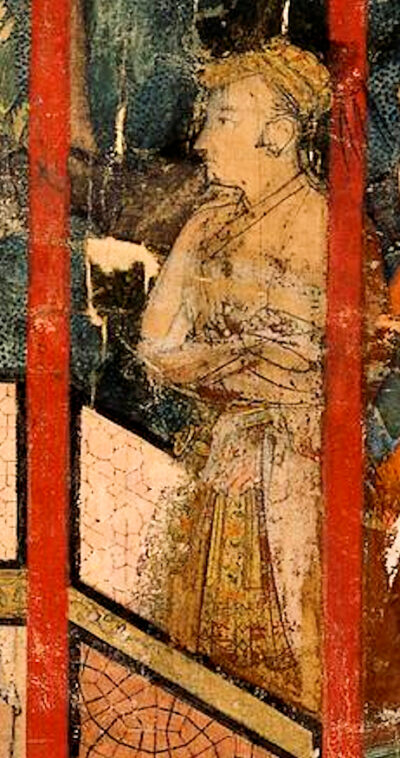
Dara Shikoh was an Indian prince. Born March 20, 1615, in Ajmer. Died August 30, 1659, in Delhi.
Facts
22 facts · 2 confirmed by two sources · 3 cited · 17 from one source
Where this comes from
Papalocal keeps its own record. It started from these sources; what each one said is kept here as it was copied, so a change on their side never changes this page by itself. Tap one to read its version.
What Wikidata says · copied November 16, 2026 · revision 2567398936
- Described as
- Indian prince
- Other names
- Muhammada Dārāśukoha, Prince, son of Shahjahan, Emperor of India Dārā Shikūh, Prinz Dara Schukuh Mogulreich, Muhammad Dārā S̲ẖikūh, Prince, son of Shahjahan, Emperor of India Dārāśikoha, Prince, son of Shahjahan, Emperor of India Dara Shukoh, Prince, son of Shahjahan, Emperor of India Dârâ Shokûh, Prince, son of Shahjahan, Emperor of India Dara Shikoh, principe, figlio di Shahjahan, imperatore dell'India Dārā Shikūh, Prince, son of Shahjahan, Emperor of India Dārāśukoha, Prince Dārā Shikūh, Dara Xucô
- Born
- March 20, 1615 · 2 references
- Died
- August 30, 1659 · 2 references
- Born in
- Ajmer
- Died in
- Delhi · 1 reference
- Buried in
- Humayun's Tomb
- Occupation
- calligrapher; writer
- Spouse
- Nadira Banu Begum
- Children
- Sipihr Shikoh; Jahanzeb Banu Begum; Sulaiman Shikoh · 1 reference; Mumtaz Shikoh · 1 reference
- Father
- Shah Jahan · 1 reference
- Mother
- Mumtaz Mahal
- Siblings
- Roshanara Begum; Jahanara Begum; Gauhar Ara Begum; Murad Bakhsh; Shah Shuja · 1 reference; Aurangzeb
- Religion
- Islam; Sunni Islam
- Wikipedias with a page
- 35
Wikidata item Q604647 (wikidata.org/wiki/Q604647), public domain (CC0). Copied November 16, 2026.
What Wikipedia says · copied November 16, 2026 · revision 1384240693
Dara Shikoh (20 March 1615 – 30 August 1659), also transliterated as Dara Shukoh, was the eldest son and heir-apparent of the Mughal emperor Shah Jahan. Dara was designated with the title Padshahzada-i-Buzurg Martaba (lit. 'Prince of High Rank') and was favoured as a successor by his father and his elder sister, Princess Jahanara Begum. He had been given the title of 'Shah-e-Buland Iqbal' by Shah Jahan. In the war of succession which ensued after Shah Jahan's illness in 1657, Dara was defeated by his younger brother Prince Muhiuddin (later, the Emperor Aurangzeb). He was executed in 1659 on Aurangzeb's orders after a bitter struggle for the imperial throne.
Dara was open to Hindu thought; he authored the work The Confluence of the Two Seas, which argues for the harmony of Sufi philosophy in Islam and Vedanta philosophy in Hinduism. A great patron of the arts, he was also more inclined towards philosophy and mysticism rather than military pursuits. He is often contrasted with his younger brother, Aurangzeb. The course of the history of the Indian subcontinent, had Dara Shikoh prevailed over Aurangzeb, has been a matter of some conjecture among historians.
- Born, in its opening lines
- March 20, 1615
- Died, in its opening lines
- August 30, 1659
From the Wikipedia article “Dara Shikoh” (en.wikipedia.org/wiki/Dara_Shikoh), by its contributors, under CC BY-SA 4.0 (creativecommons.org/licenses/by-sa/4.0/). Copied November 16, 2026; not changed.
Confirmed Two sources agree. Cited One source, and it names where it got it. One source One source, without a reference of its own. Sources disagree The sources disagree. We show the best-supported value and keep theirs below.
