
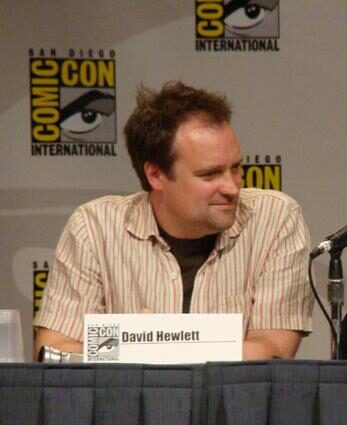
David Hewlett
David Hewlett is a British-born Canadian actor. Born April 18, 1968, in Redhill. Educated at Royal St. George's College.
Facts
16 facts · 1 confirmed by two sources · 1 cited · 14 from one source
Where this comes from
Papalocal keeps its own record. It started from these sources; what each one said is kept here as it was copied, so a change on their side never changes this page by itself. Tap one to read its version.
What Wikidata says · copied November 15, 2026 · revision 2552649785
- Described as
- British-born Canadian actor
- Other names
- David Ian Hewlett
- Born
- April 18, 1968 · 4 references
- Born in
- Redhill
- Name at birth
- David Ian Hewlett
- Citizen of
- Canada; United Kingdom; United States
- Occupation
- actor · 1 reference; film actor; television actor; screenwriter; film director; voice actor · 1 reference
- Education
- Royal St. George's College
- Spouse
- Soo Garay (2000–2004)
- Siblings
- Kate Hewlett
- Website
- http://www.davidhewlett-fr.com
- Wikipedias with a page
- 31
Wikidata item Q353640 (wikidata.org/wiki/Q353640), public domain (CC0). Copied November 15, 2026.
What Wikipedia says · copied November 15, 2026 · revision 1378054067
David Ian Hewlett (born 18 April 1968) is a British–Canadian actor, writer and director, known for his role as Dr. Rodney McKay in the Stargate science-fiction franchise. He first gained fame for his roles as Grant Jansky in the Canadian TV series Traders (1996–2000) and as David Worth in the Canadian psychological horror film Cube (1997). He appeared in the horror film Pin (1988) and the science-fiction films Scanners II: The New Order (1991) and Rise of the Planet of the Apes (2011).
- Born, in its opening lines
- April 18, 1968
From the Wikipedia article “David Hewlett” (en.wikipedia.org/wiki/David_Hewlett), by its contributors, under CC BY-SA 4.0 (creativecommons.org/licenses/by-sa/4.0/). Copied November 15, 2026; not changed.
Confirmed Two sources agree. Cited One source, and it names where it got it. One source One source, without a reference of its own. Sources disagree The sources disagree. We show the best-supported value and keep theirs below.
