
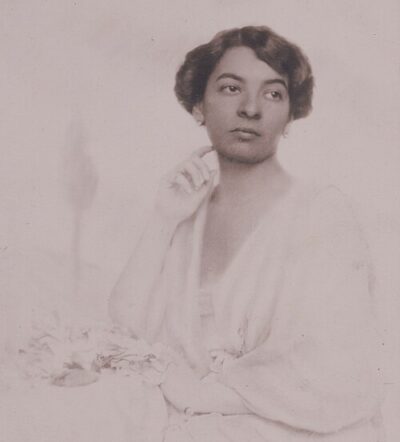
Dora Pejačević
Dora Pejačević was a Croatian composer. Born September 10, 1885, in Budapest. Died March 5, 1923, in Munich.
Facts
16 facts · 2 confirmed by two sources · 11 cited · 3 from one source
Where this comes from
Papalocal keeps its own record. It started from these sources; what each one said is kept here as it was copied, so a change on their side never changes this page by itself. Tap one to read its version.
What Wikidata says · copied November 16, 2026 · revision 2567178565
- Described as
- Croatian composer (1885–1923)
- Other names
- Dora Pejacevic, Maria Theodora Paulina Pejačević
- Born
- September 10, 1885 · 4 references
- Died
- March 5, 1923 · 4 references
- Born in
- Budapest · 1 reference
- Died in
- Munich · 1 reference
- Cause of death
- puerperal disorders
- Citizen of
- Austria–Hungary
- Occupation
- composer · 1 reference; violinist · 1 reference; pianist · 1 reference
- Field
- music · 1 reference; nobility · 1 reference; composed musical work · 1 reference; piano performance · 1 reference; violin performance · 2 references; music composition · 1 reference
- Father
- Teodor Pejačević
- Wikipedias with a page
- 28
Wikidata item Q455515 (wikidata.org/wiki/Q455515), public domain (CC0). Copied November 16, 2026.
What Wikipedia says · copied November 16, 2026 · revision 1385141534
Countess Maria Theodora Paulina "Dora" Pejačević (Hungarian: Gróf verőczei Pejácsevich Mária Theodóra Paulina "Dóra"; 10 September 1885 – 5 March 1923) was a Croatian composer, pianist and violinist and one of the first composers to introduce the orchestral song to Croatian music. Her Symphony in F♯ minor is considered by scholars to be the first modern symphony in Croatian music. Pejačević is noted for her vocal compositions, piano miniatures, and string quartets, which were heavily influenced by the expressionist and modernist trends of the time.
In her early career, Pejačević’s primary themes were highly representative of the Romantic period, but this would change after her experience working as a paramedic in the First World War after which her works reflected the philosophic movement of nihilism and discussed motifs of death, isolation, and futility of war.
- Born, in its opening lines
- September 10, 1885
- Died, in its opening lines
- March 5, 1923
From the Wikipedia article “Dora Pejačević” (en.wikipedia.org/wiki/Dora_Pejačević), by its contributors, under CC BY-SA 4.0 (creativecommons.org/licenses/by-sa/4.0/). Copied November 16, 2026; not changed.
Confirmed Two sources agree. Cited One source, and it names where it got it. One source One source, without a reference of its own. Sources disagree The sources disagree. We show the best-supported value and keep theirs below.
