
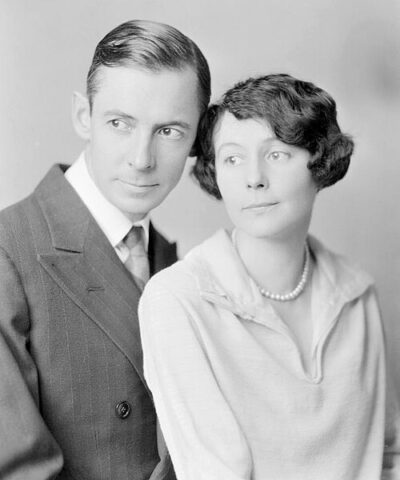
DuBose Heyward
DuBose Heyward was an American novelist, playwright, poet. Born August 31, 1885, in Charleston. Died June 16, 1940, in Tryon.
Facts
14 facts · 2 confirmed by two sources · 7 cited · 5 from one source
Where this comes from
Papalocal keeps its own record. It started from these sources; what each one said is kept here as it was copied, so a change on their side never changes this page by itself. Tap one to read its version.
What Wikidata says · copied November 16, 2026 · revision 2565572550
- Described as
- American novelist, playwright, poet (1885-1940)
- Other names
- Edwin DuBose Heyward
- Born
- August 31, 1885 · 13 references
- Died
- June 16, 1940 · 11 references
- Born in
- Charleston · 2 references
- Died in
- Tryon · 2 references
- Buried in
- St. Philip's Episcopal Church Cemetery
- Citizen of
- United States
- Occupation
- novelist; screenwriter; poet · 1 reference; writer · 3 references; librettist · 1 reference
- Member of
- American Academy of Arts and Letters
- Spouse
- Dorothy Heyward (1923–) · 2 references
- Father
- Edwin Watkins Heyward · 1 reference
- Wikipedias with a page
- 20
Wikidata item Q2382900 (wikidata.org/wiki/Q2382900), public domain (CC0). Copied November 16, 2026.
What Wikipedia says · copied November 16, 2026 · revision 1371542951
Edwin DuBose Heyward (August 31, 1885 – June 16, 1940) was an American author best known for his 1925 novel Porgy. He and his wife Dorothy, a playwright, adapted it as a 1927 play of the same name. The couple worked with composer George Gershwin to adapt the work as the 1935 opera Porgy and Bess. It was later adapted as a 1959 film of the same name.
Heyward also wrote poetry and other novels and plays, as well as the children's book The Country Bunny and the Little Gold Shoes (1939).
- Born, in its opening lines
- August 31, 1885
- Died, in its opening lines
- June 16, 1940
From the Wikipedia article “DuBose Heyward” (en.wikipedia.org/wiki/DuBose_Heyward), by its contributors, under CC BY-SA 4.0 (creativecommons.org/licenses/by-sa/4.0/). Copied November 16, 2026; not changed.
Confirmed Two sources agree. Cited One source, and it names where it got it. One source One source, without a reference of its own. Sources disagree The sources disagree. We show the best-supported value and keep theirs below.
